%20Transparent%20Background%201.webp)

.webp)
.webp)
.png)
.webp)
.webp)
.webp)
.webp)


.webp)
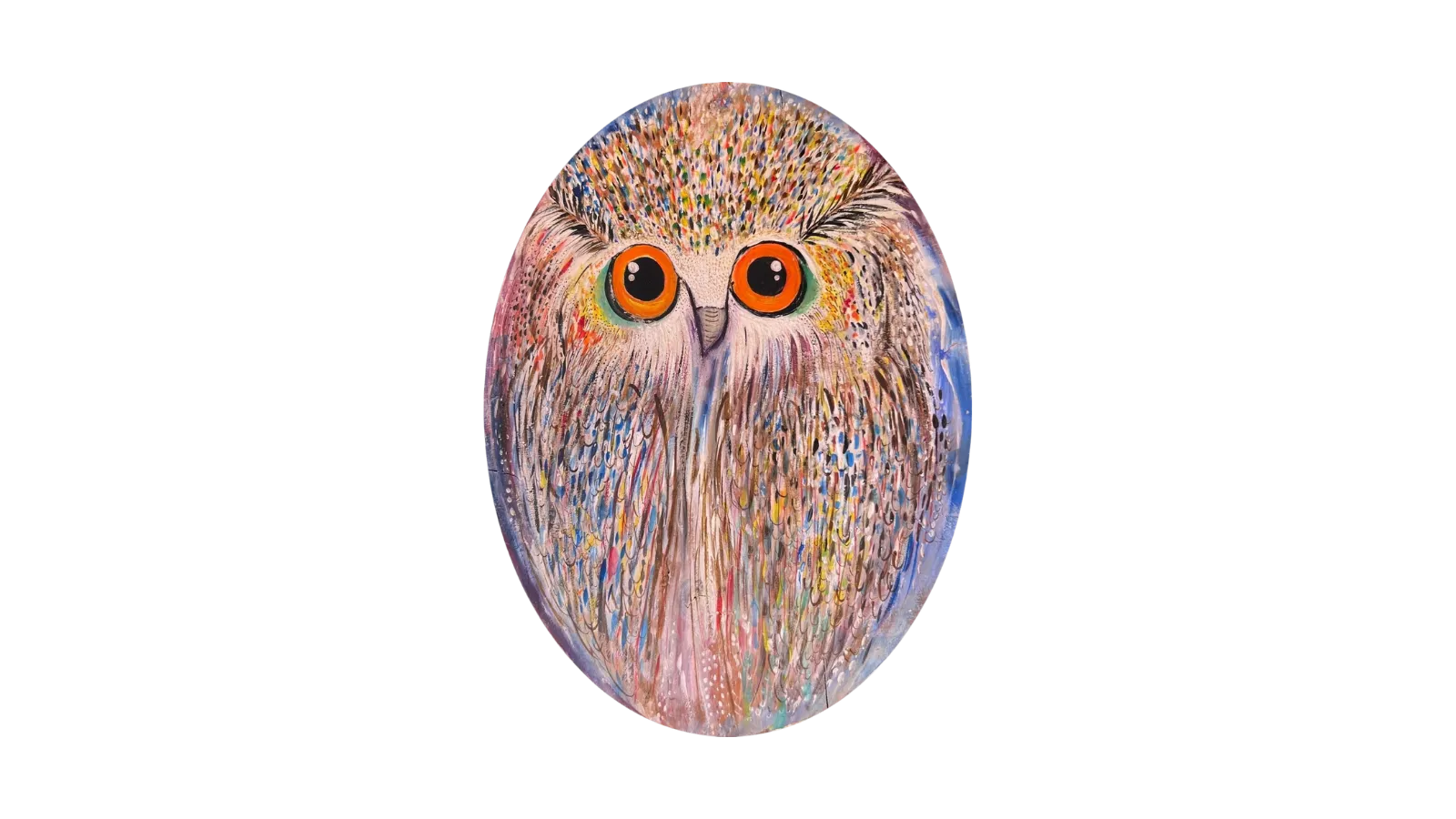
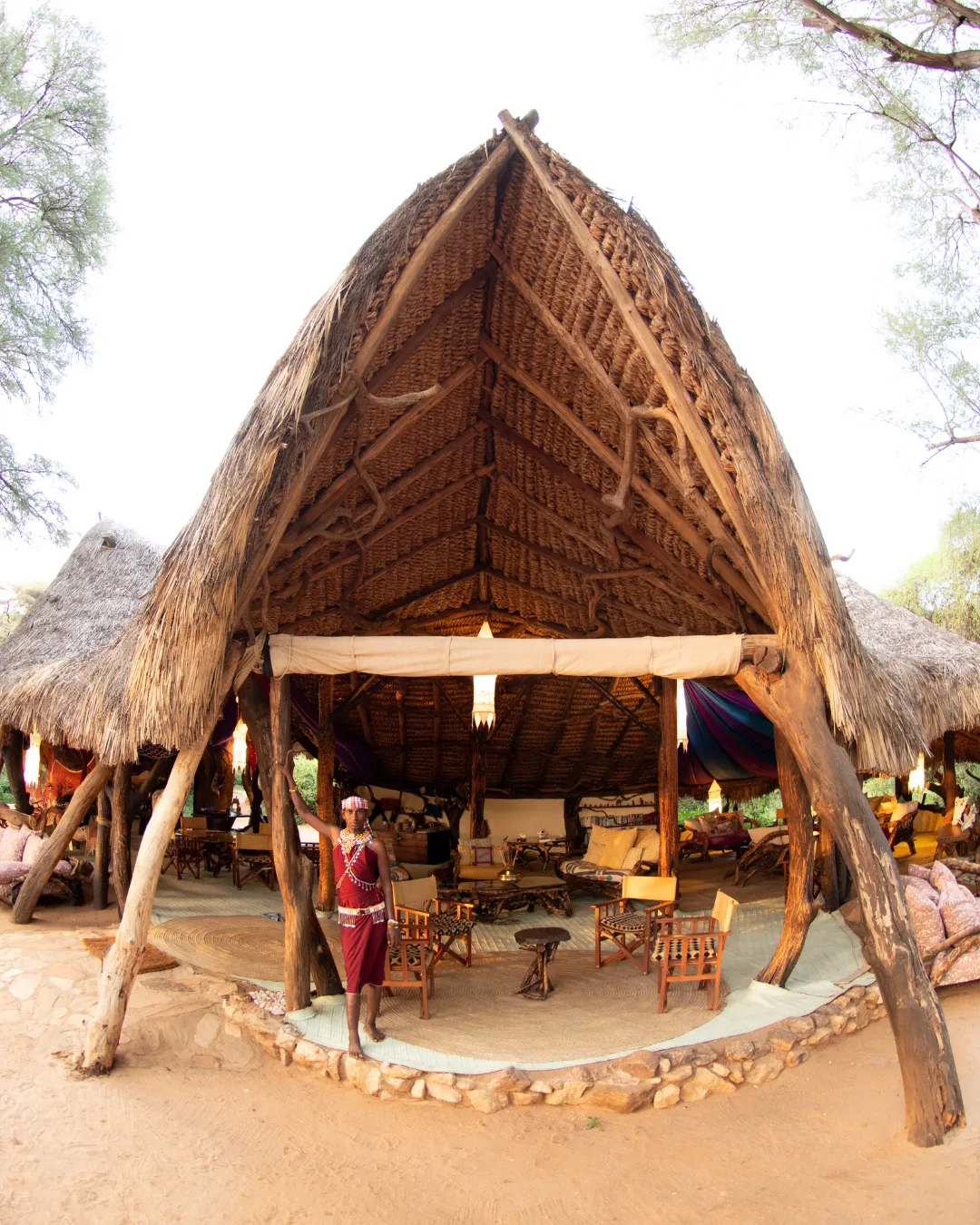
A pair of giant Verreaux eagle owls roost in the trees above 'Lugut', that serves either as a luxury single, double or twin.
%20(1).jpg)
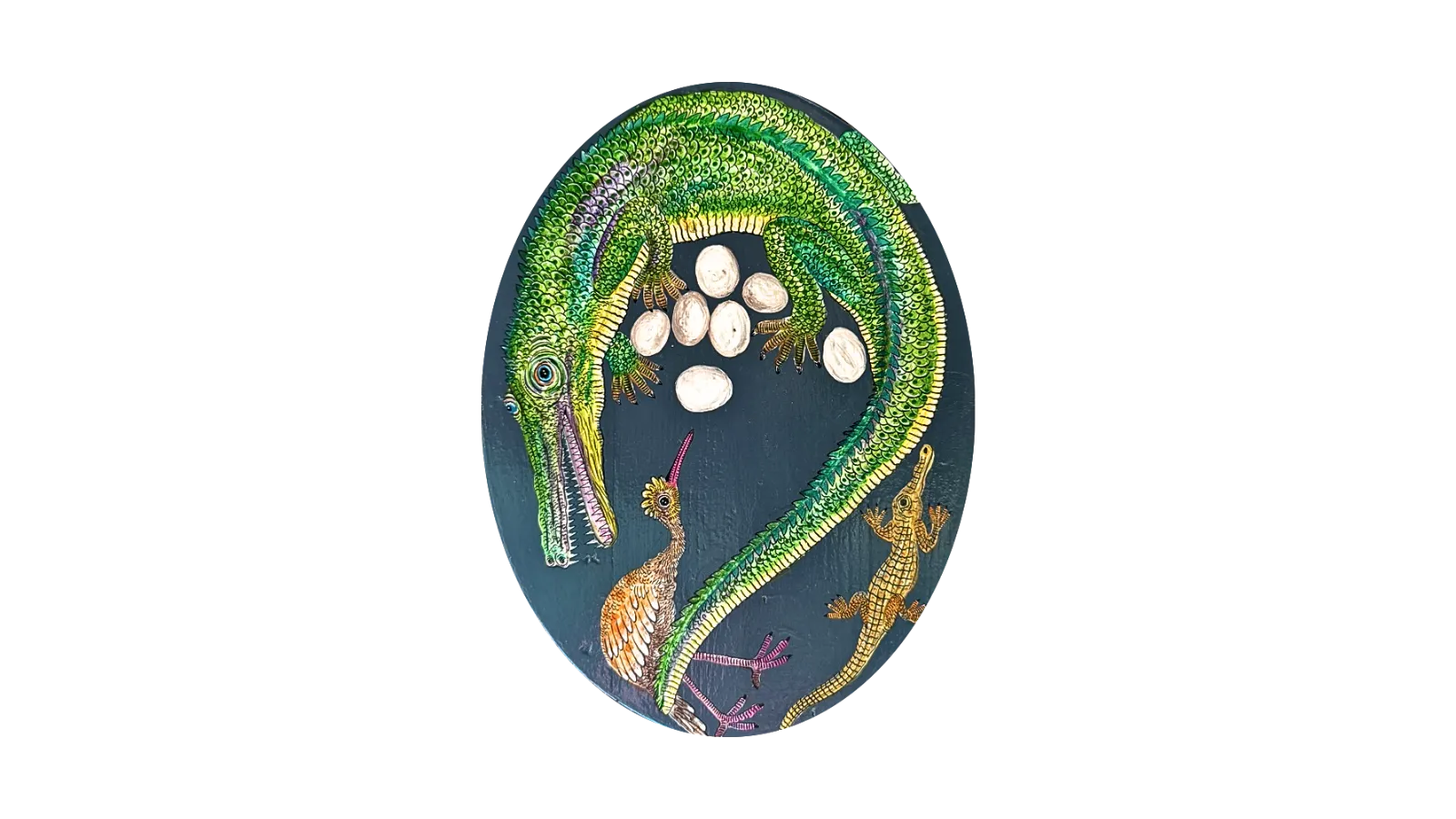
An 8ft crocodile once sought refuge on the verandah of 'Lkinyang', that serves as a luxury single, double or twin.
.jpg)
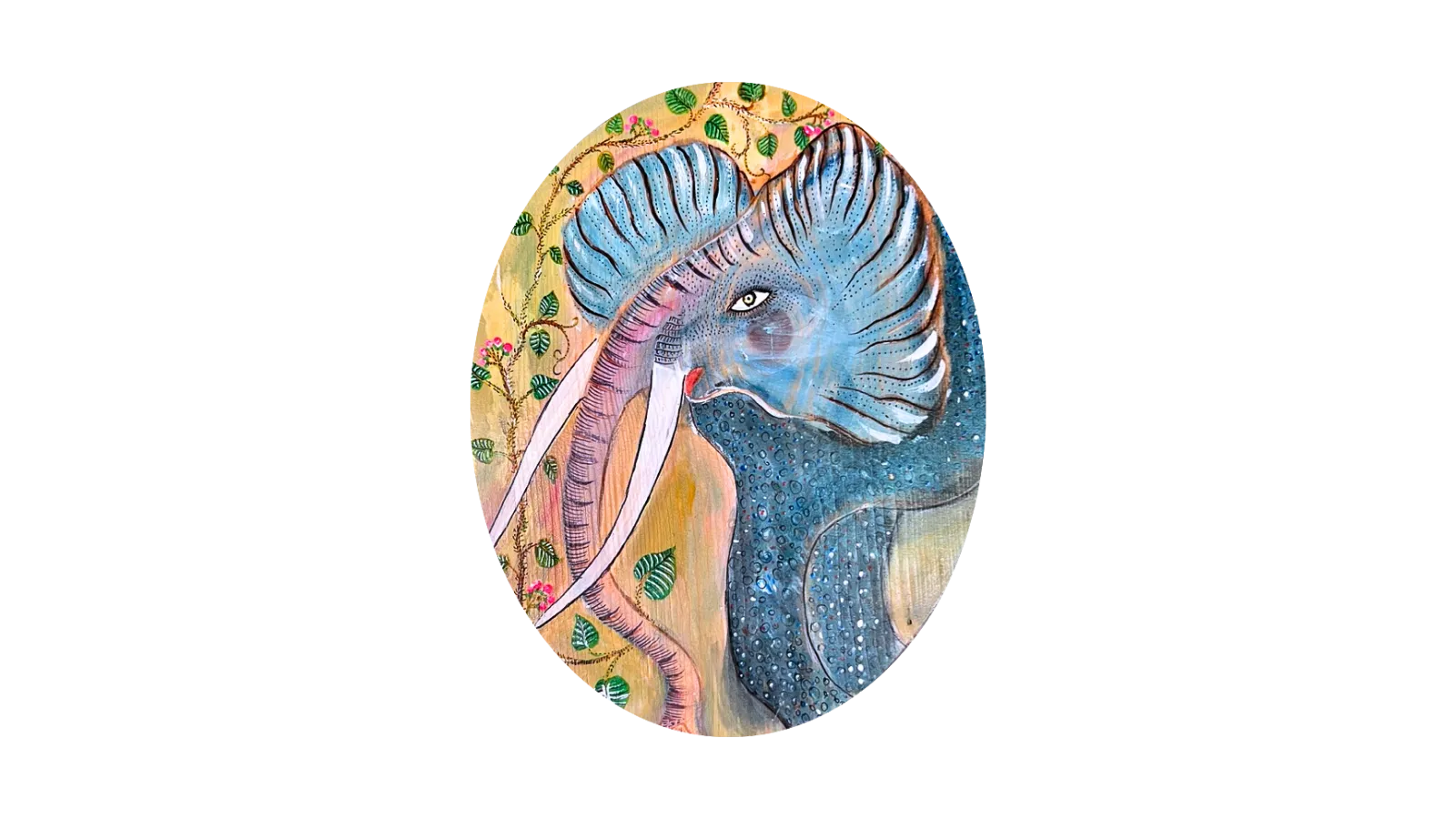
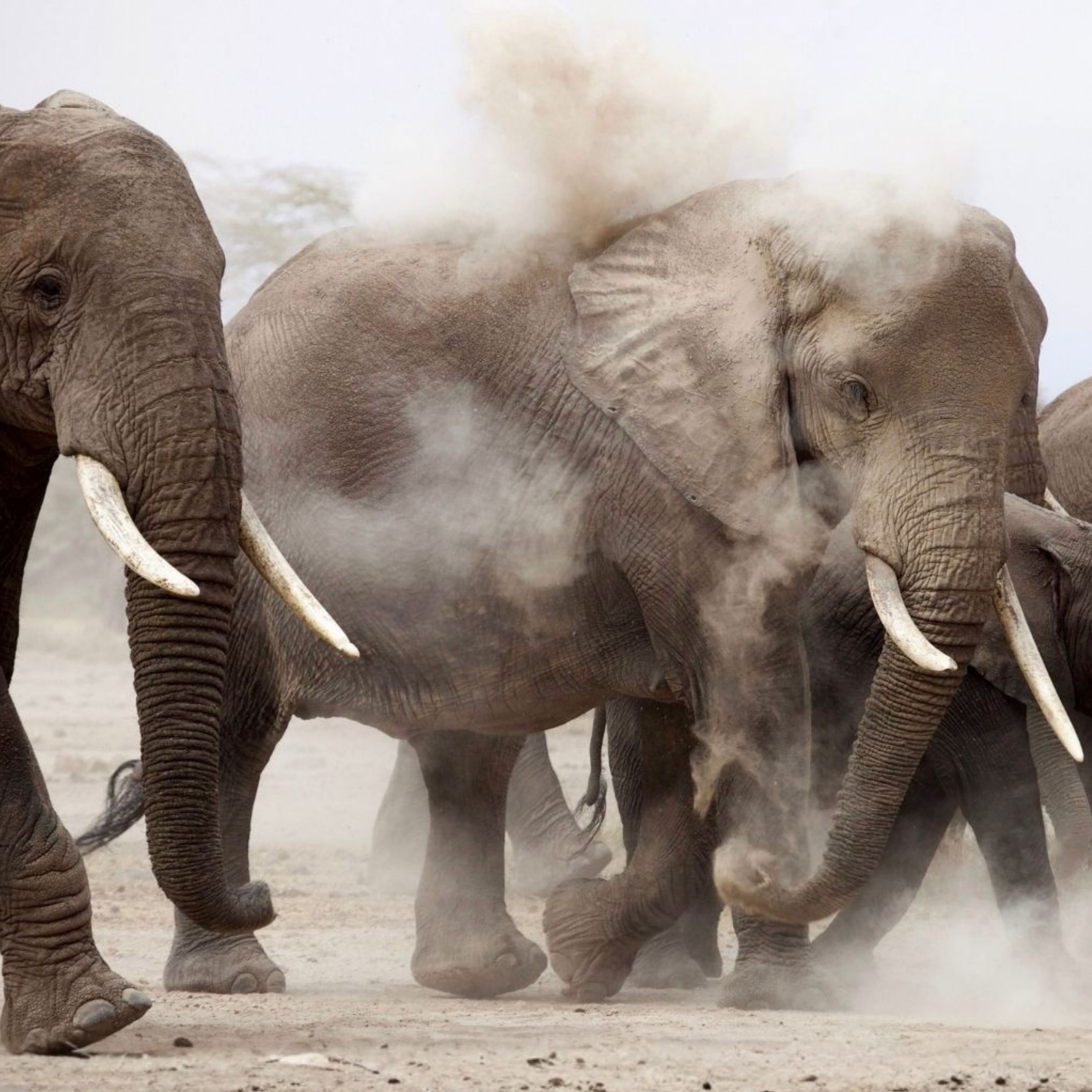
Elephants love to scratch on the rough-barked tree by the entrance of 'Ltome', that serves as a family room or luxury twin.
%20(2).jpg)
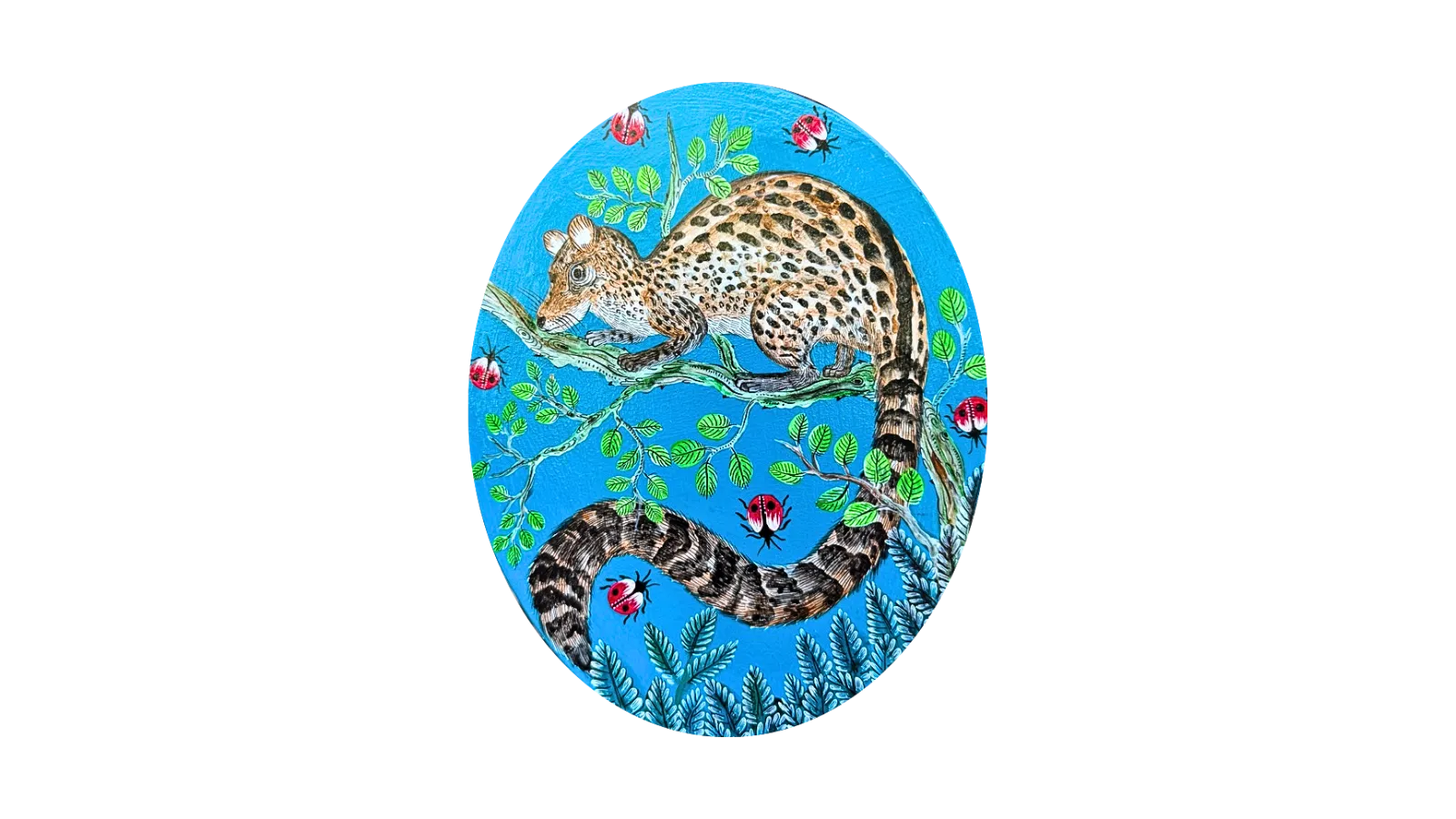
A favourite haunt of the arboreal genet cat and her kittens, 'Sumangorr' serves as a luxury single, double or twin.
.jpg)
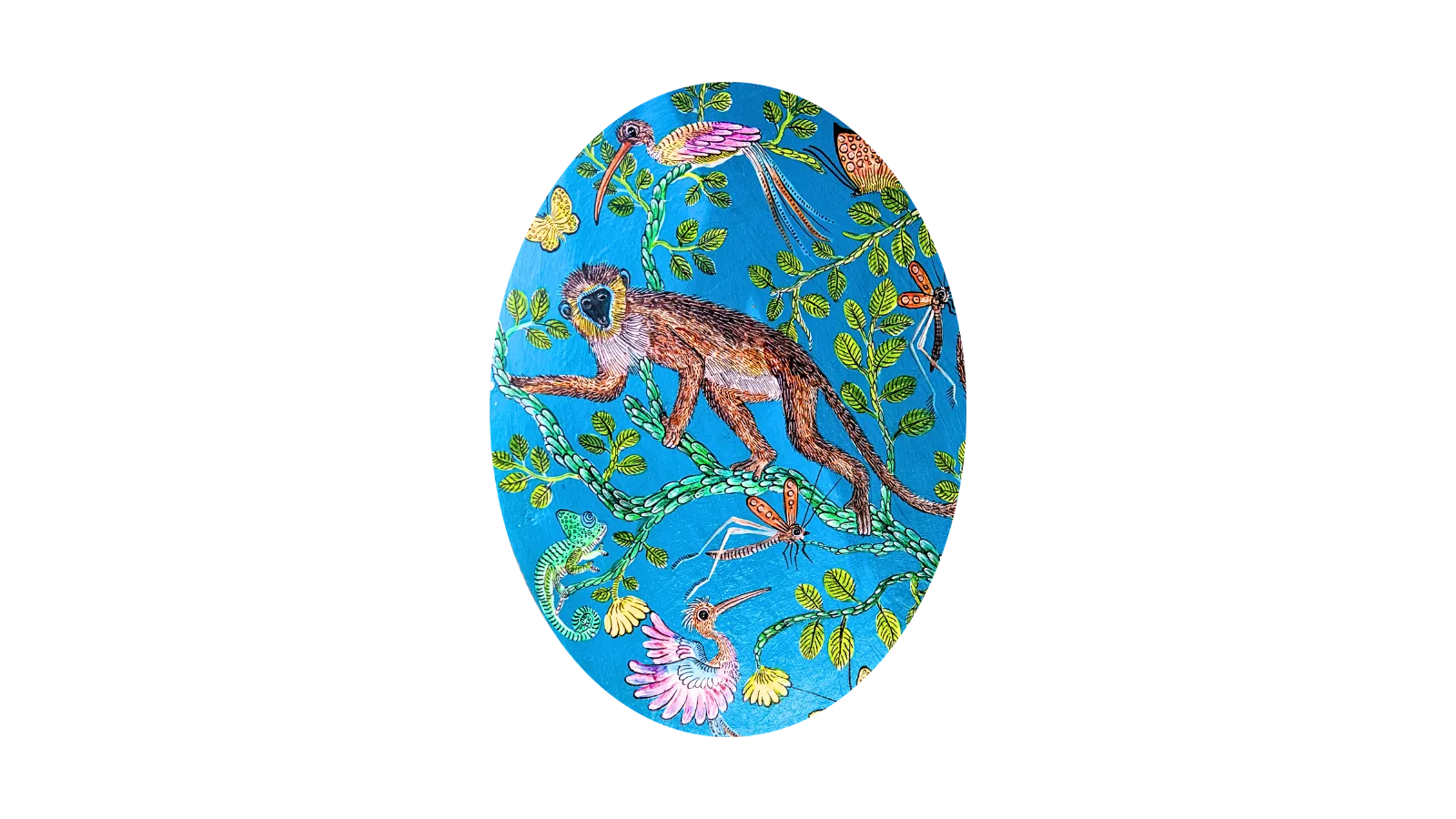
Troops of vervets in joyful play will skitter through 'Ldere', that serves as a luxury single, double or honeymoon retreat
%20(1).webp)
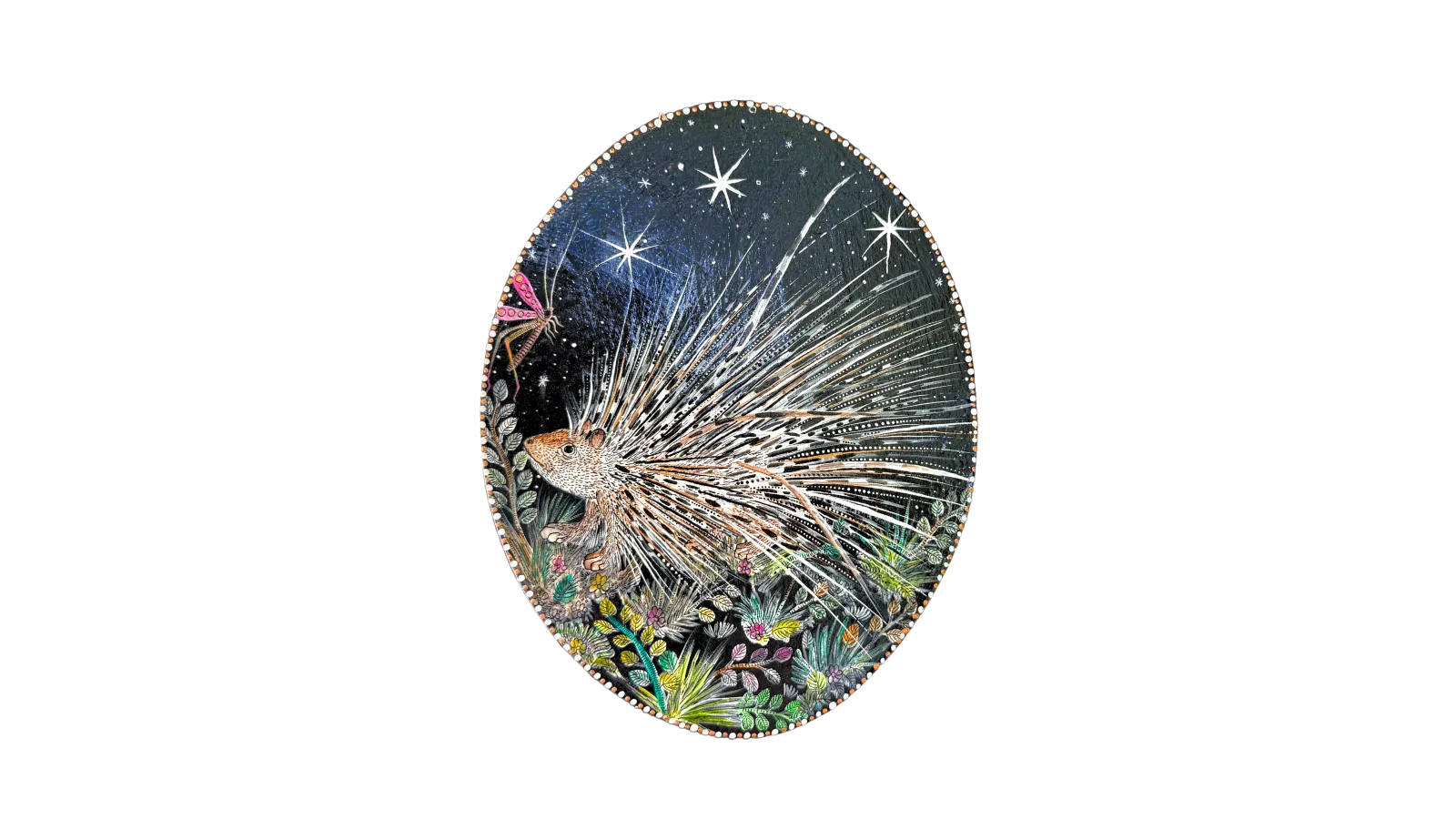
At night you might hear the soft clickety-shuffle of a porcupine by 'Iyay', that serves as a luxury single, double or twin.
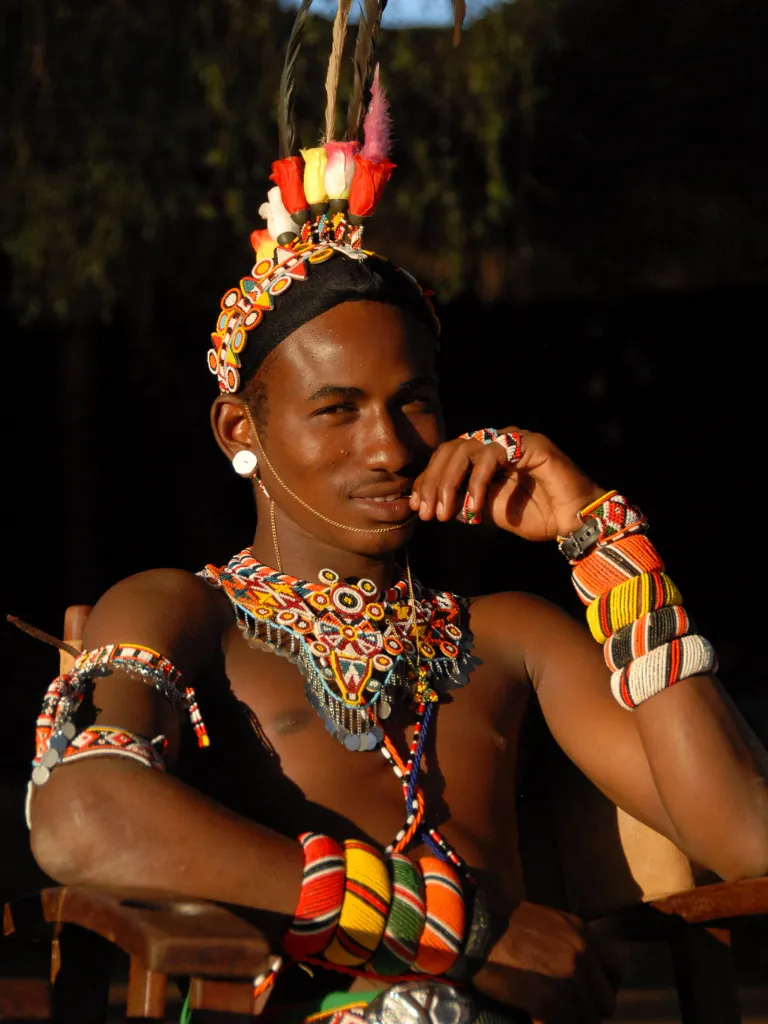
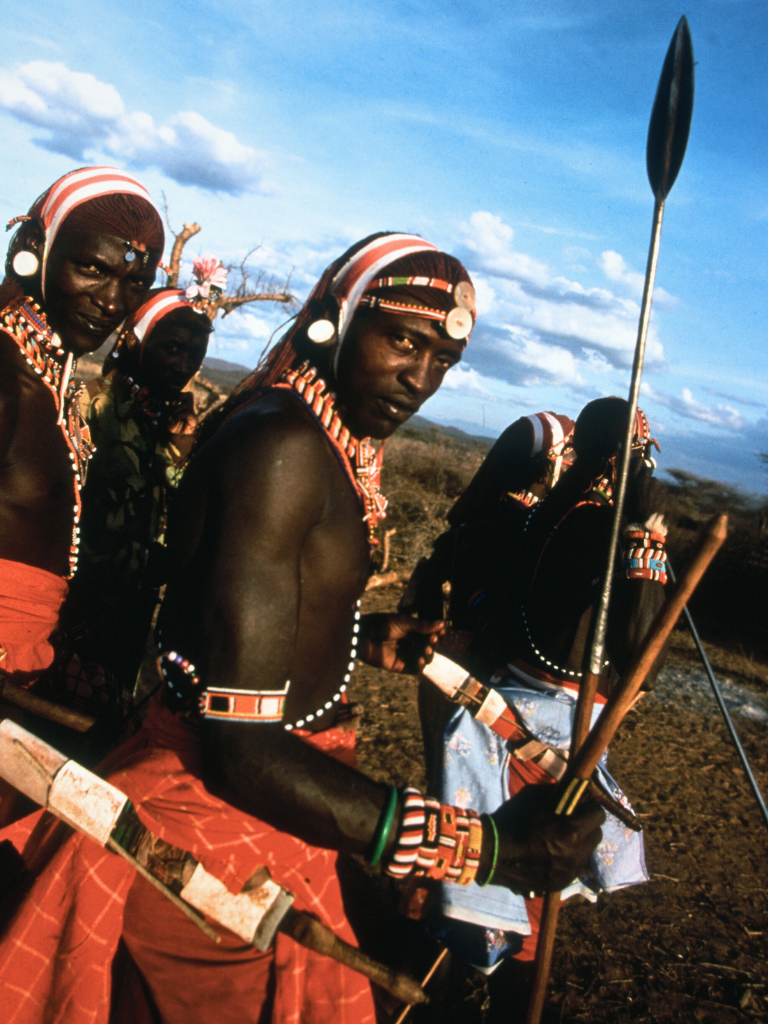
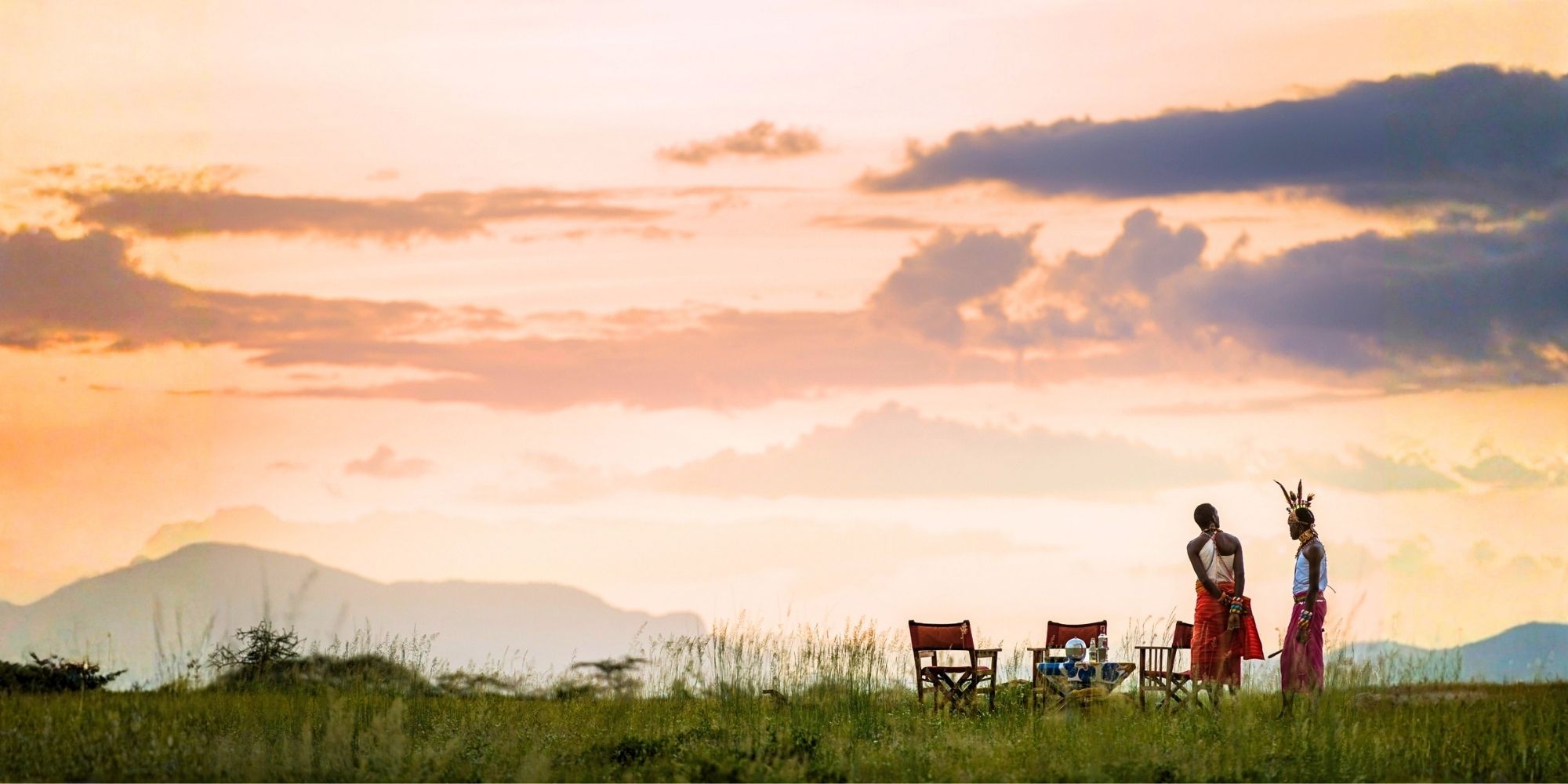
To understand the multiple sides of Samburu, it's best to see it through the eyes of the people that have always called it home - the nomads of North Kenya. Our understanding of this expansive frontier is greatly enhanced by their informed perspective and insights.
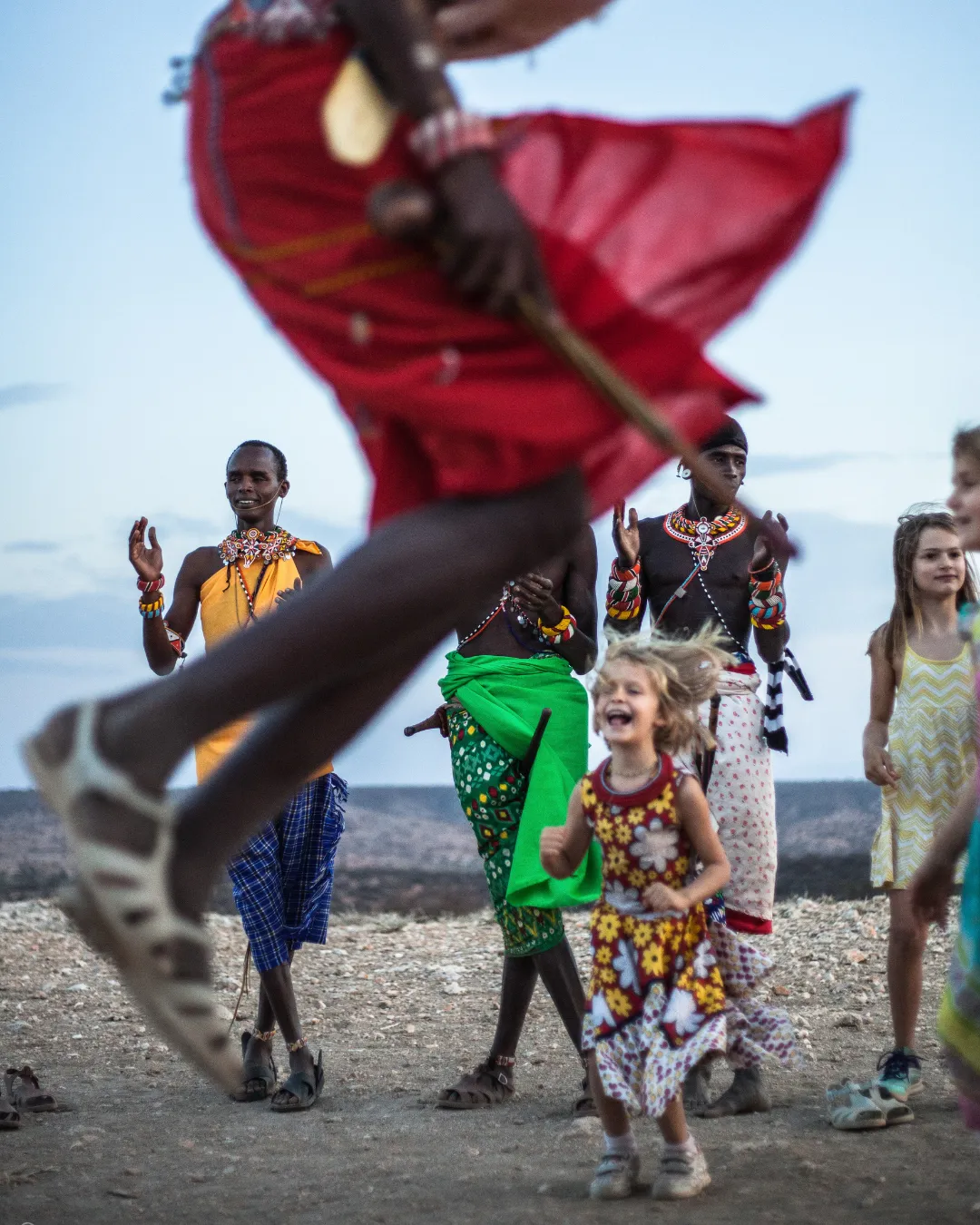
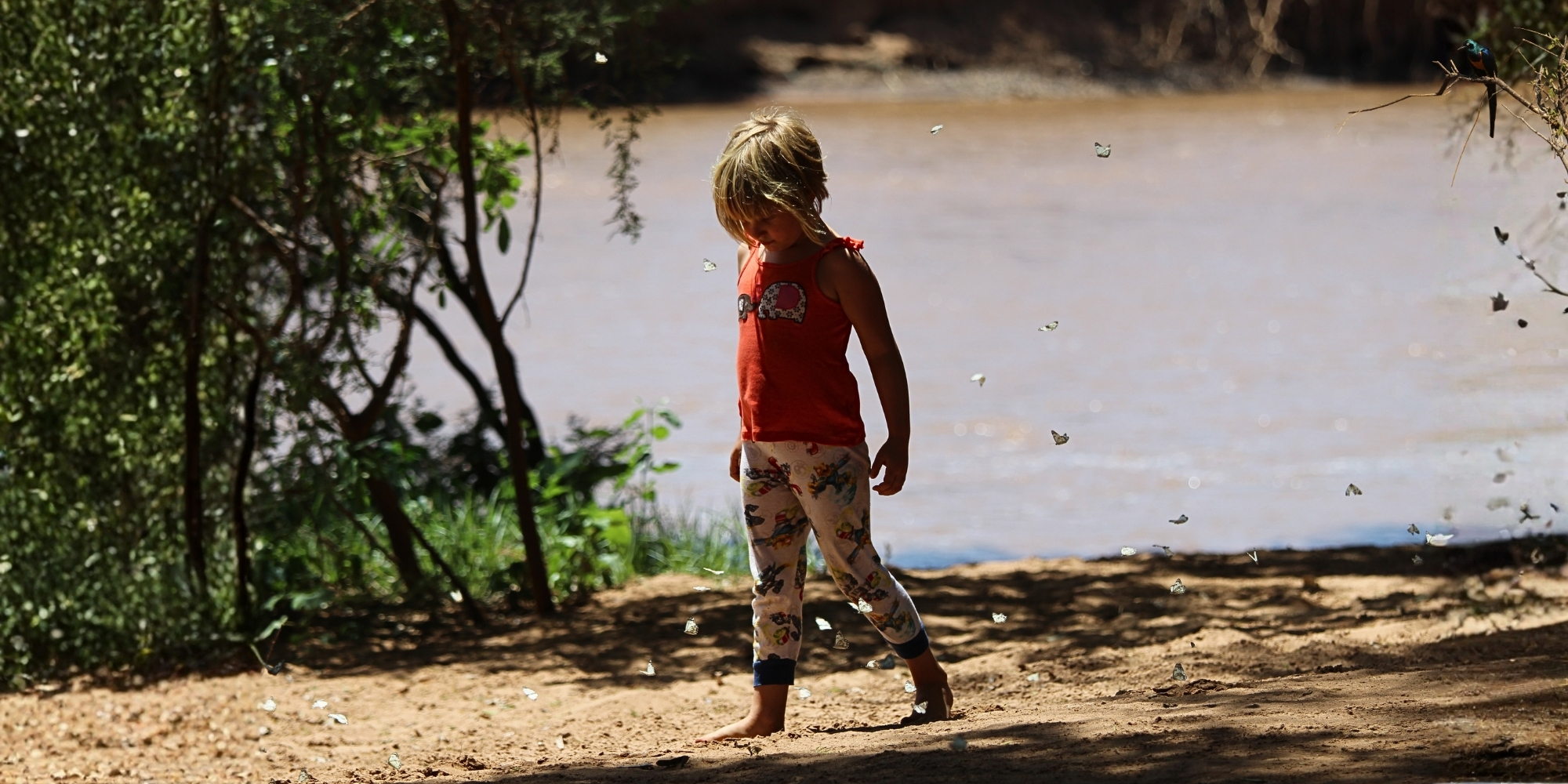
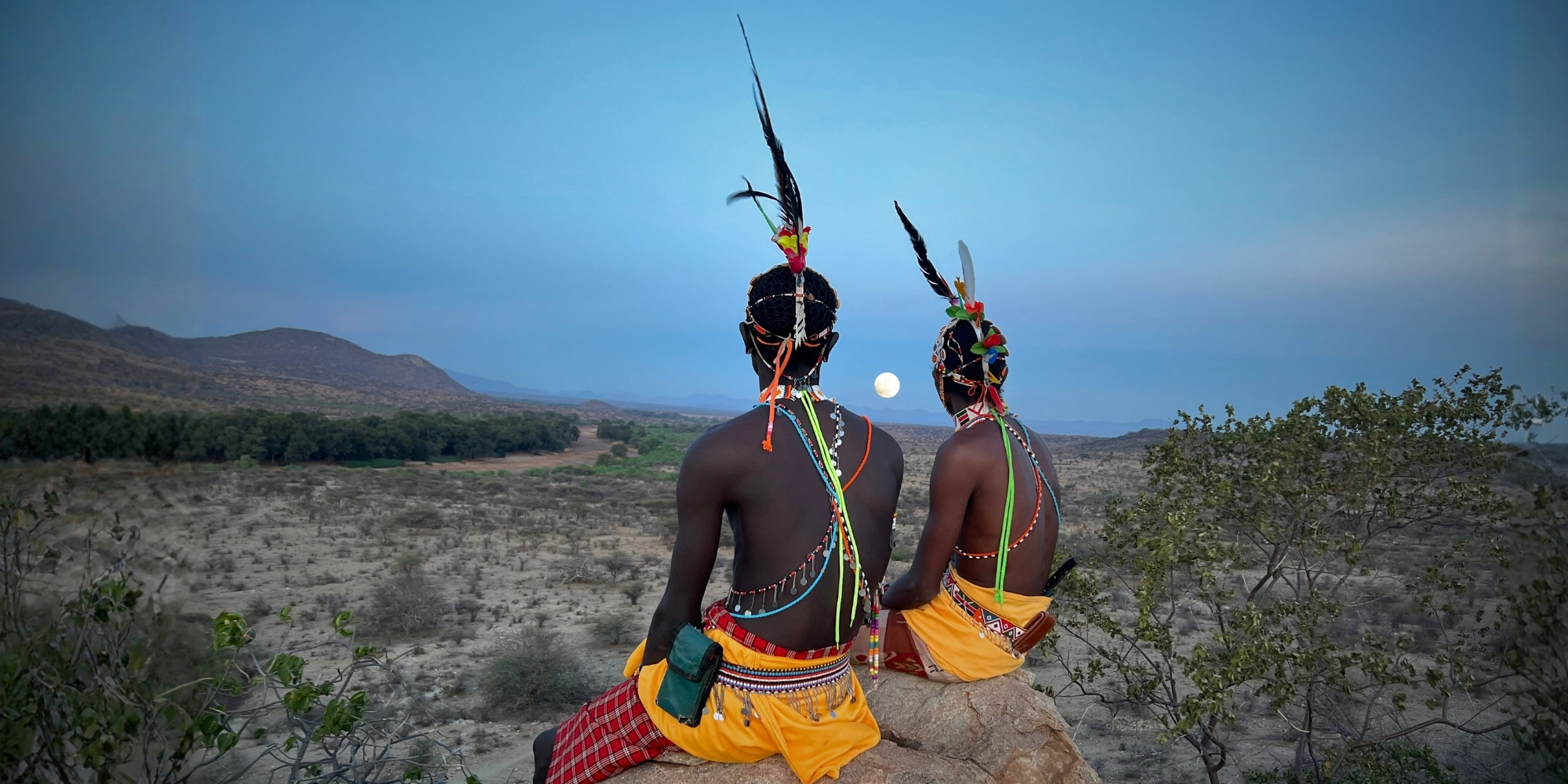
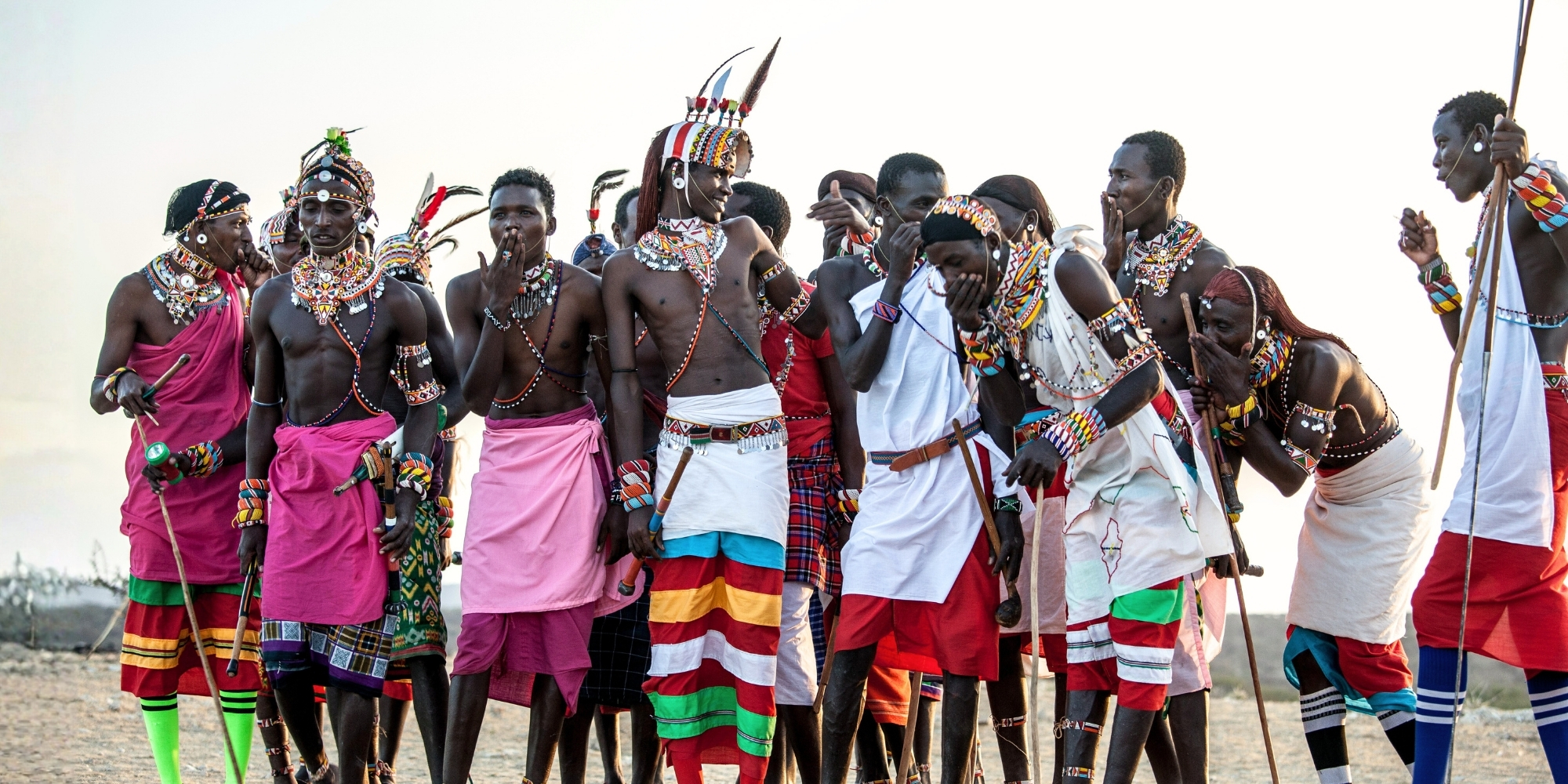
Known as the 'butterfly people' or Sampiripiri, Samburu nomads follow the rains in constant search of pasture for their livestock. Their understanding of the landscape and its wild life has evolved from being a part of nature, not apart from it, so peaceful coexistence with elephants and other wild creatures is a way of life.
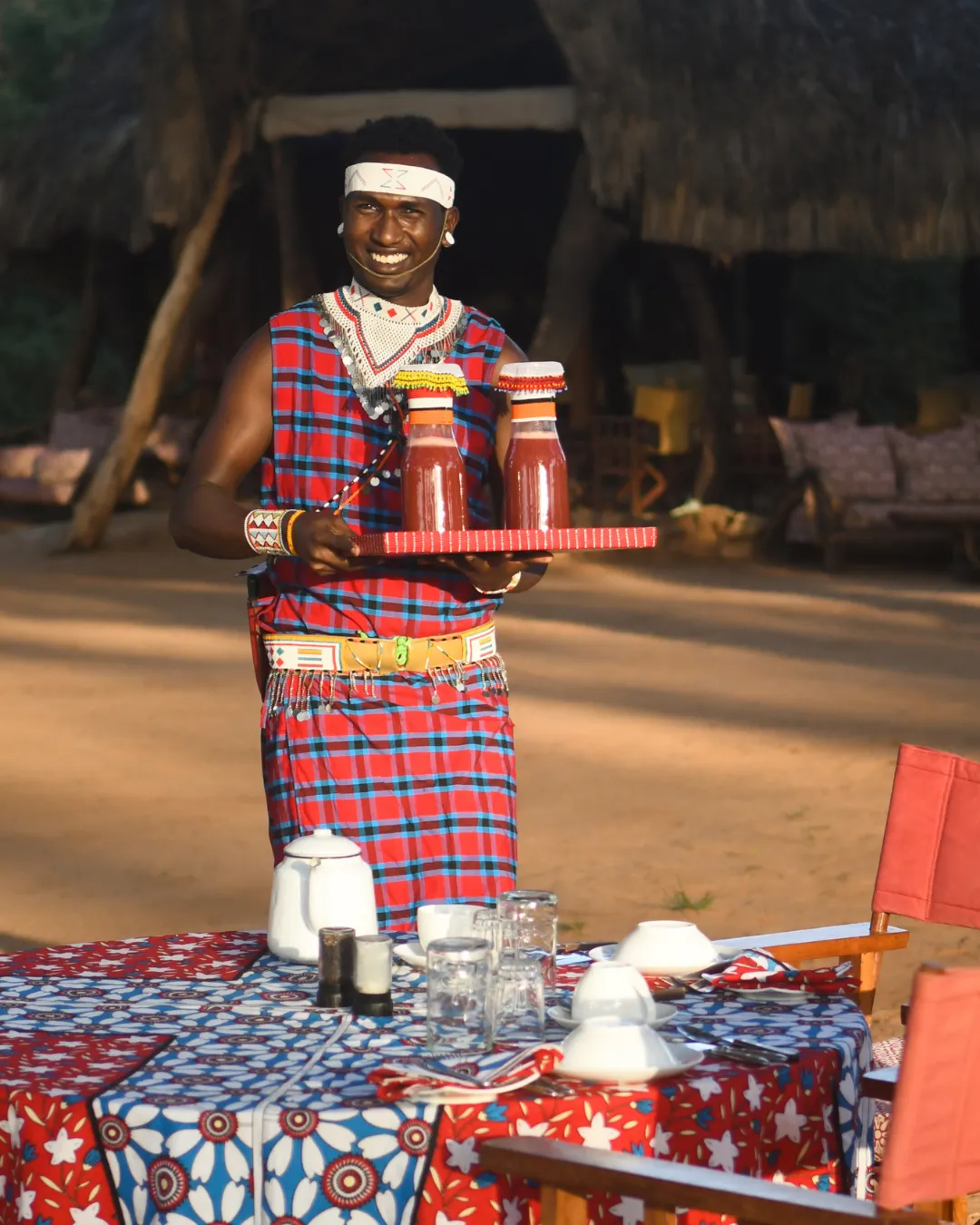
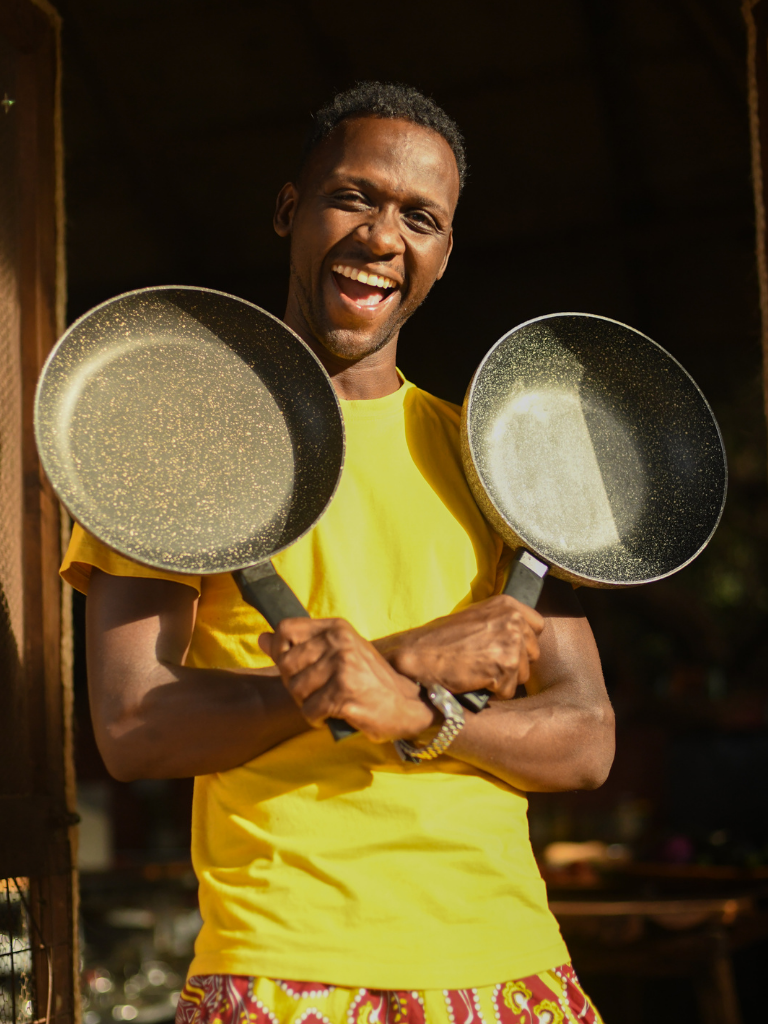
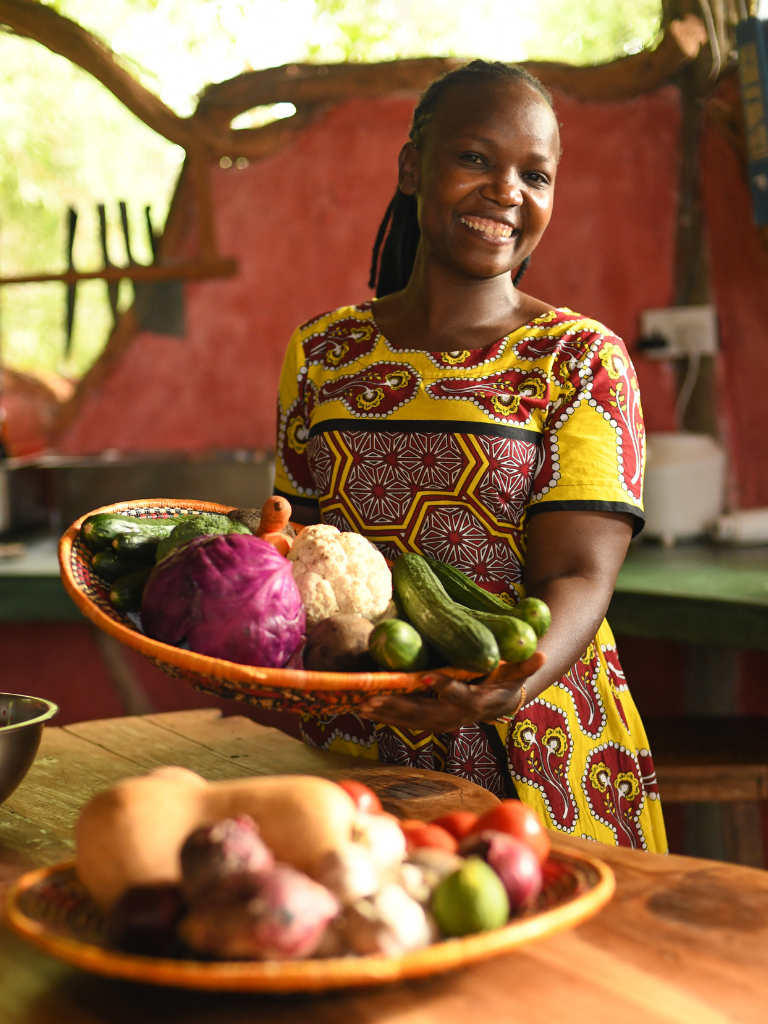
Most of our team hails from local nomadic villages with a culture renown for its charm, irreverent sense of humour, grace and resilience. The most passionate naturalists among them have joined our team as ambassadors and guides.
Our emphasis on the intrinsic value of nature and the alternative livelihood we provide through elephant-watching, help to reinforce traditional expertise and the local conservation ethic, expand skill sets, and boost the local economy. Many young Samburu trained by us are now emerging as conservation leaders in East Africa.
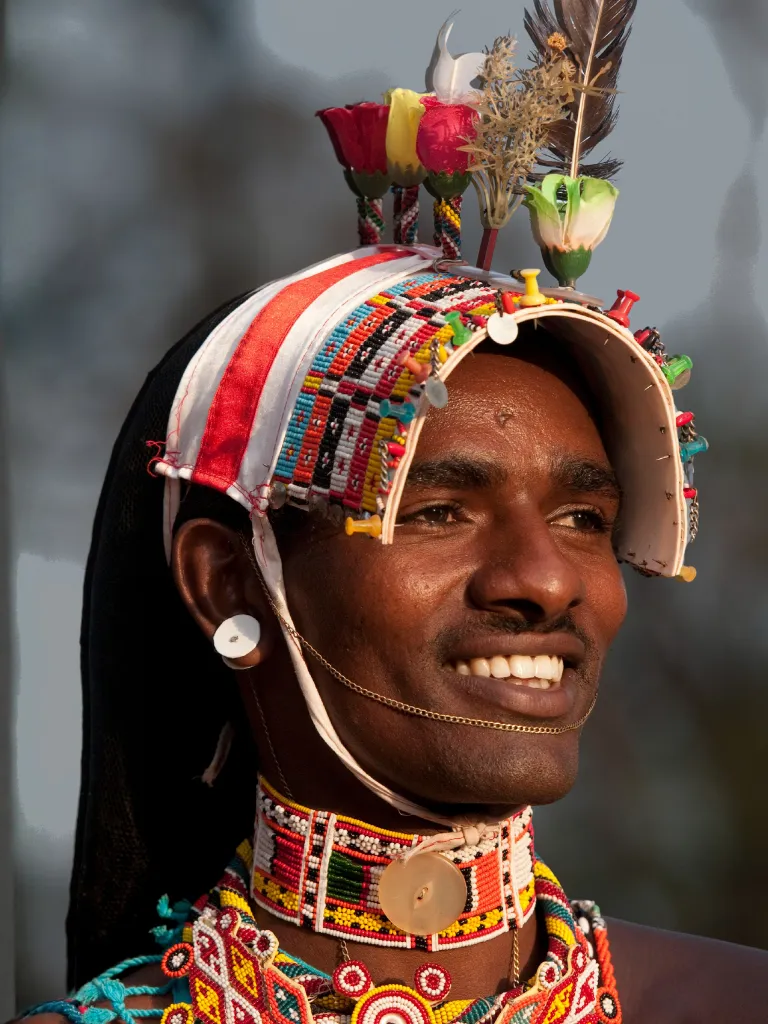
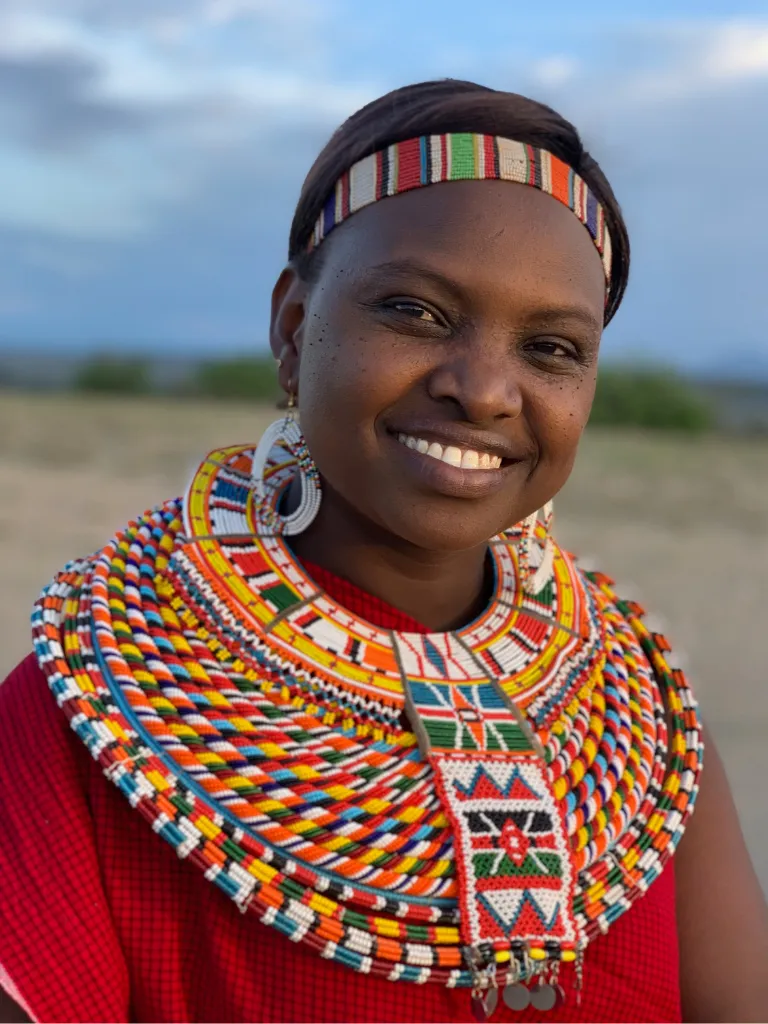
.webp)
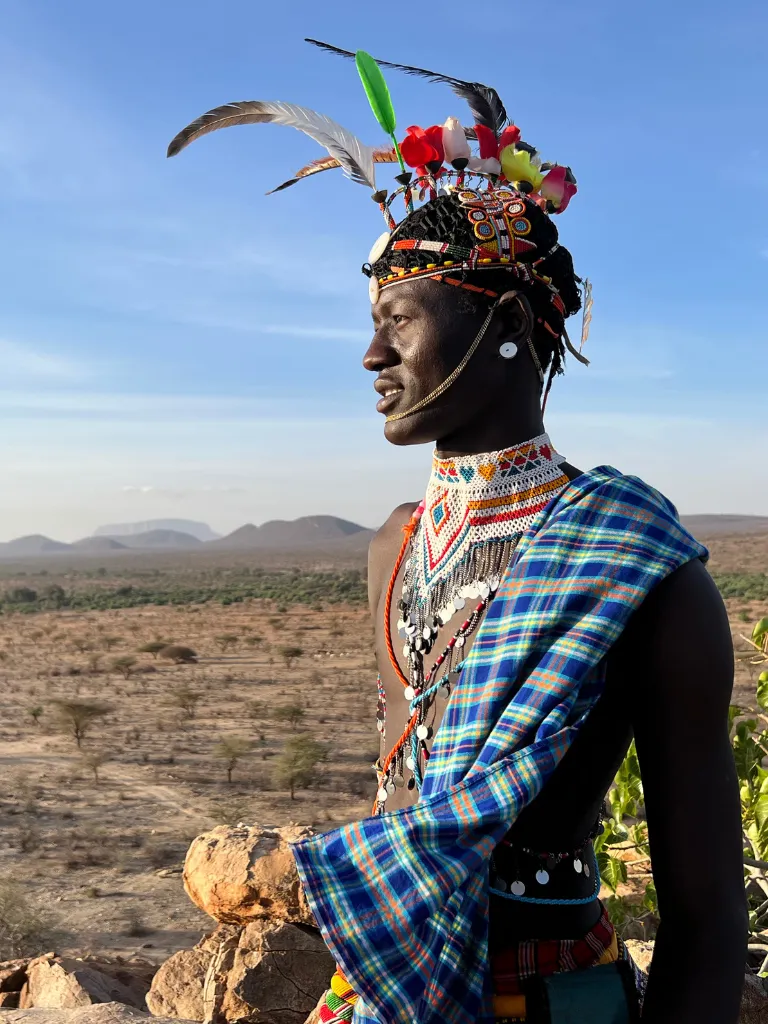
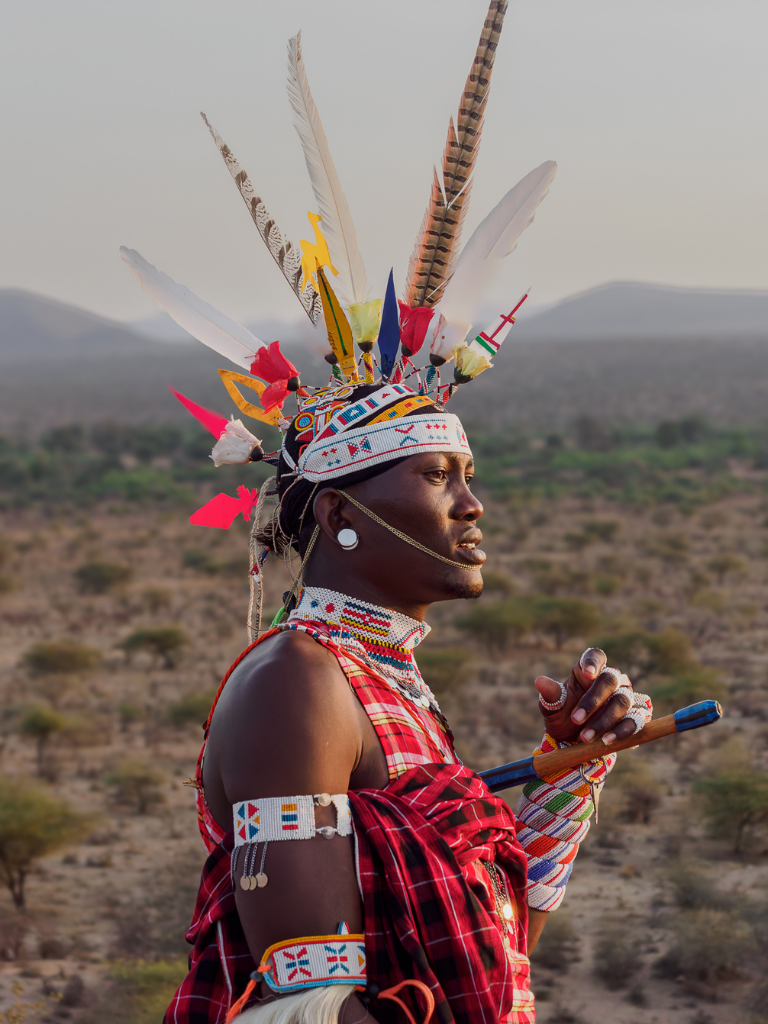
.webp)
.webp)

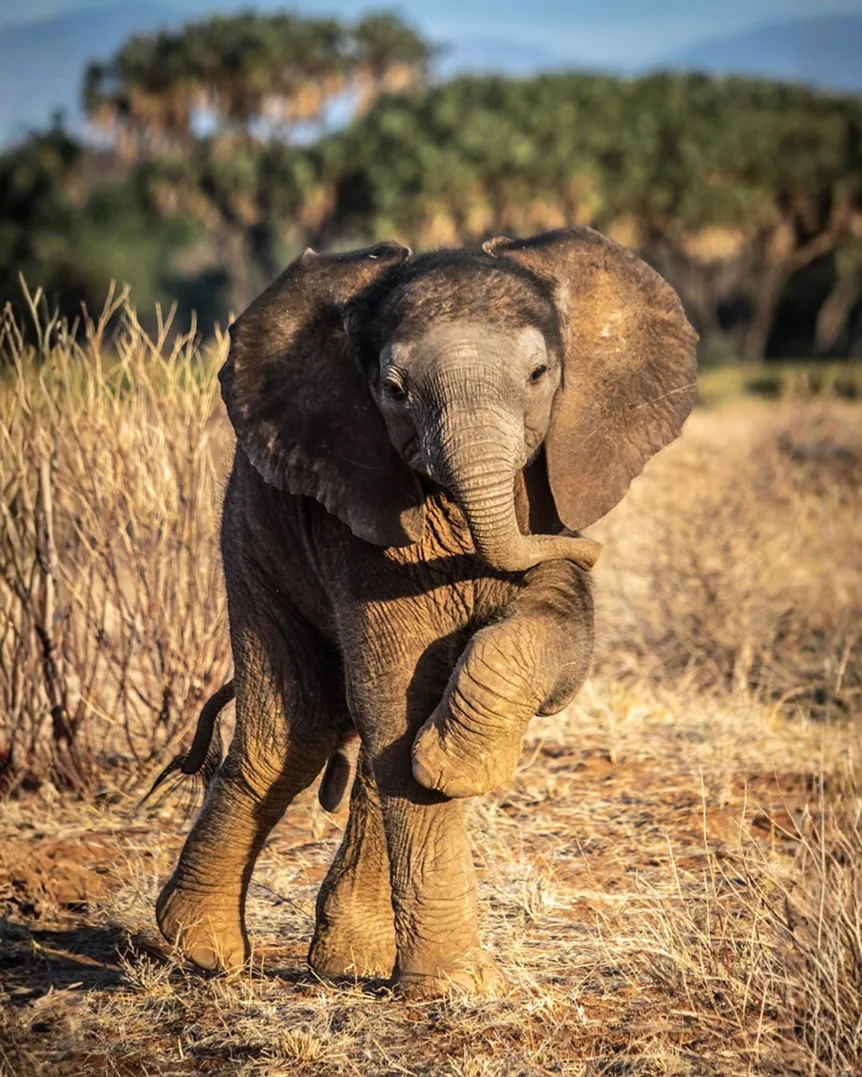
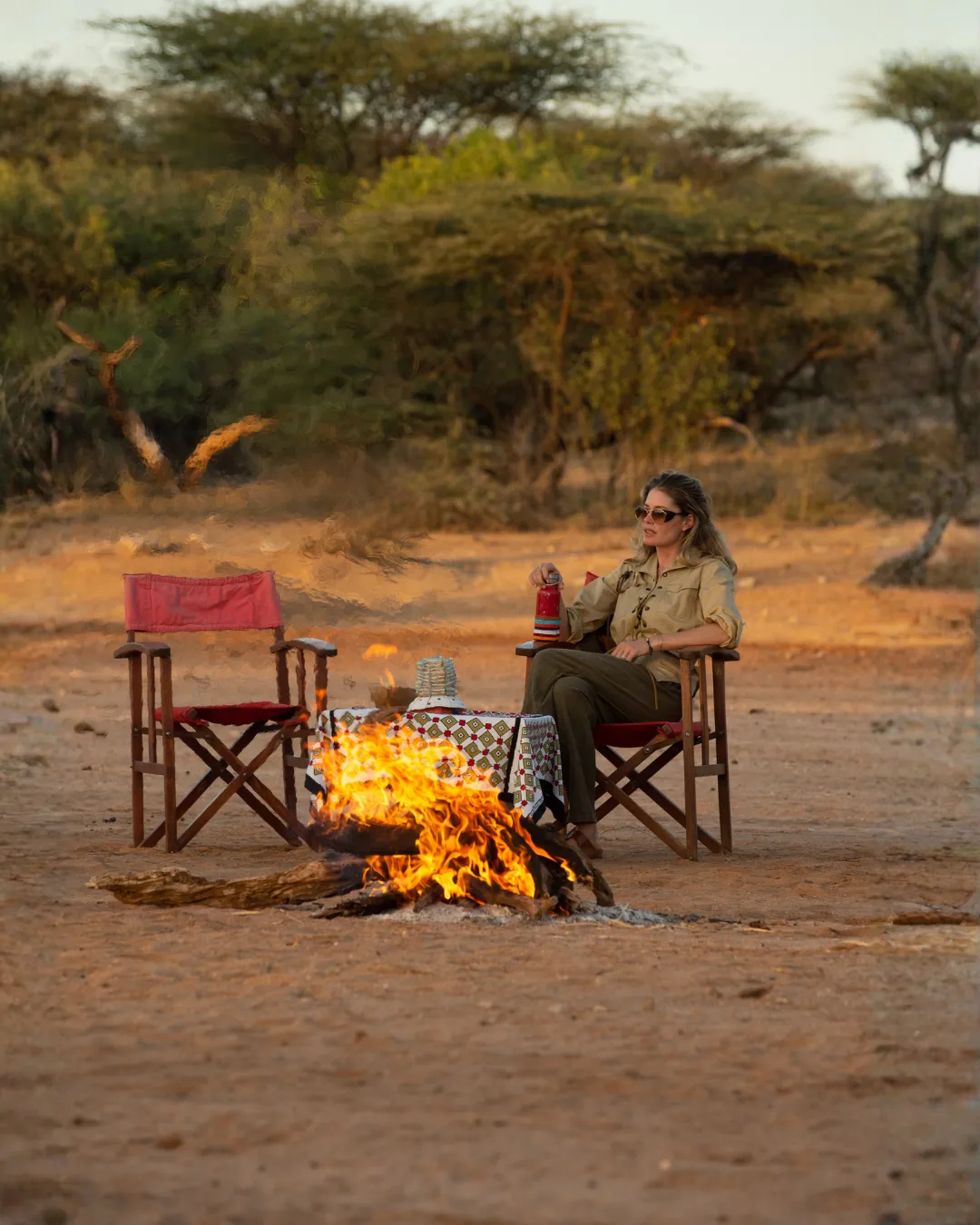
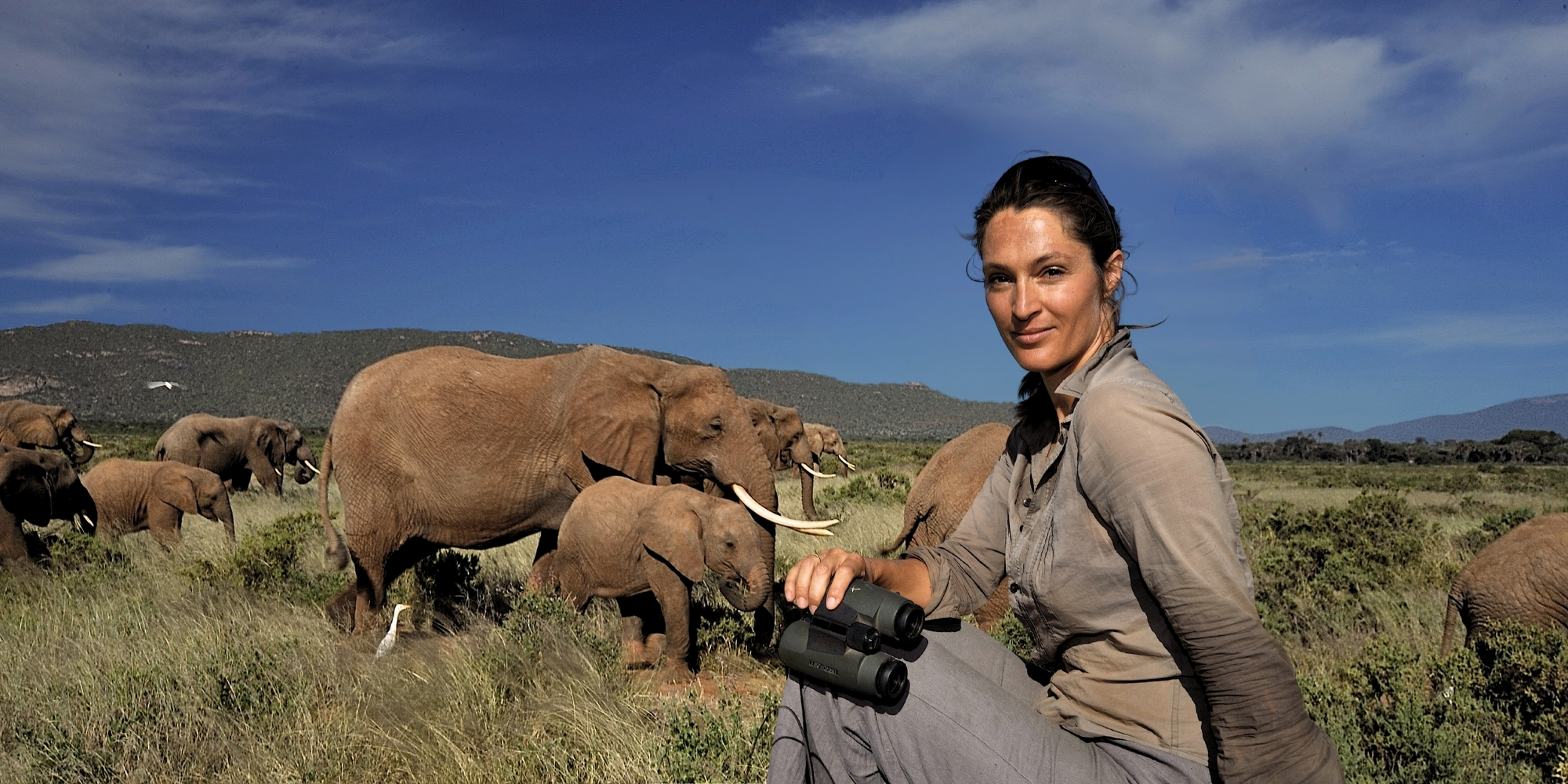
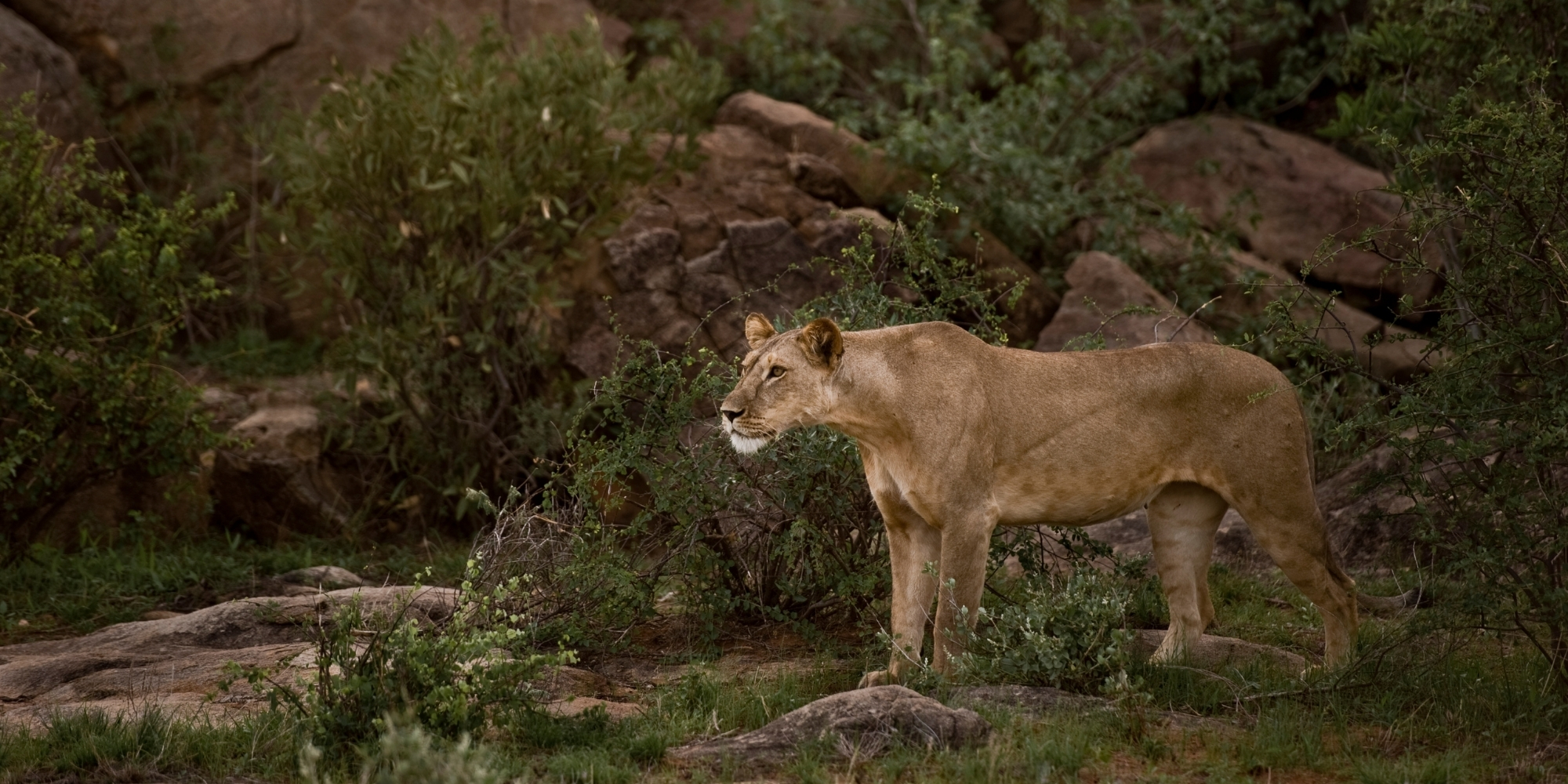
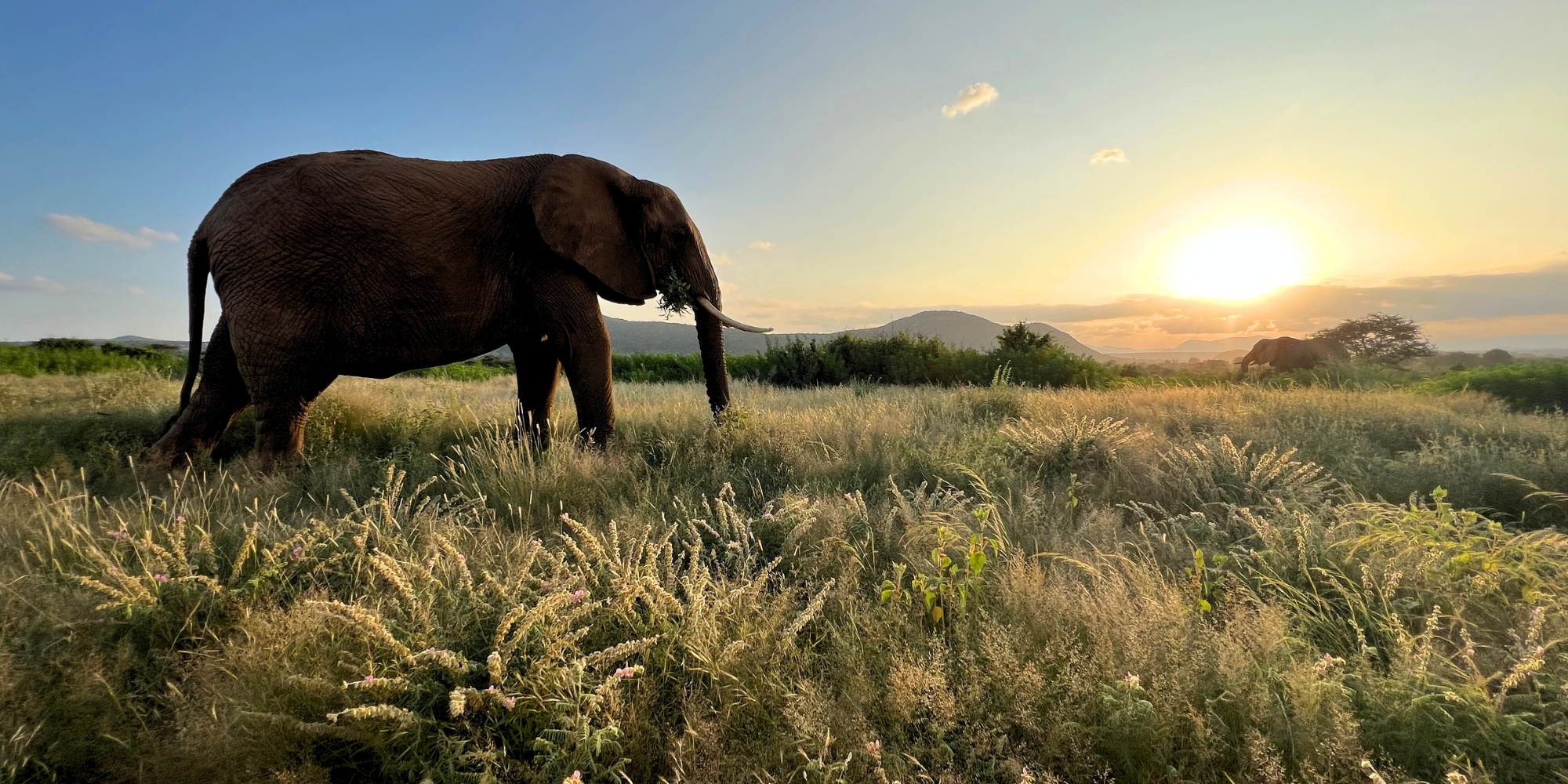
Your days in Samburu are shaped by the rhythms of the wild. Elephants emerge around breakfast time, while big cats prepare for a lazy day in the shade as the birds belt out their dawn chorus and herbivores nibble on dew-kissed grass in the early morning light.
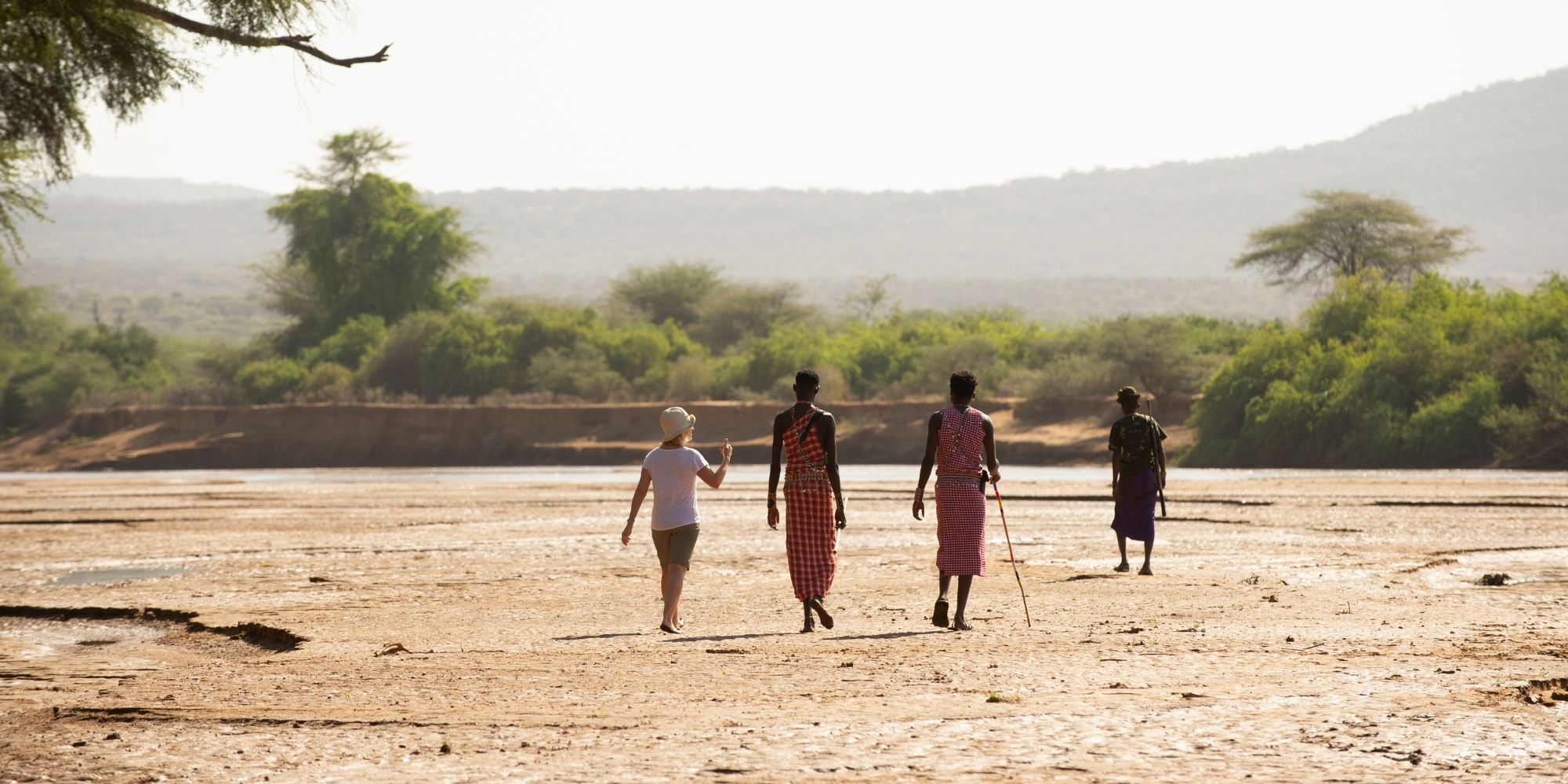
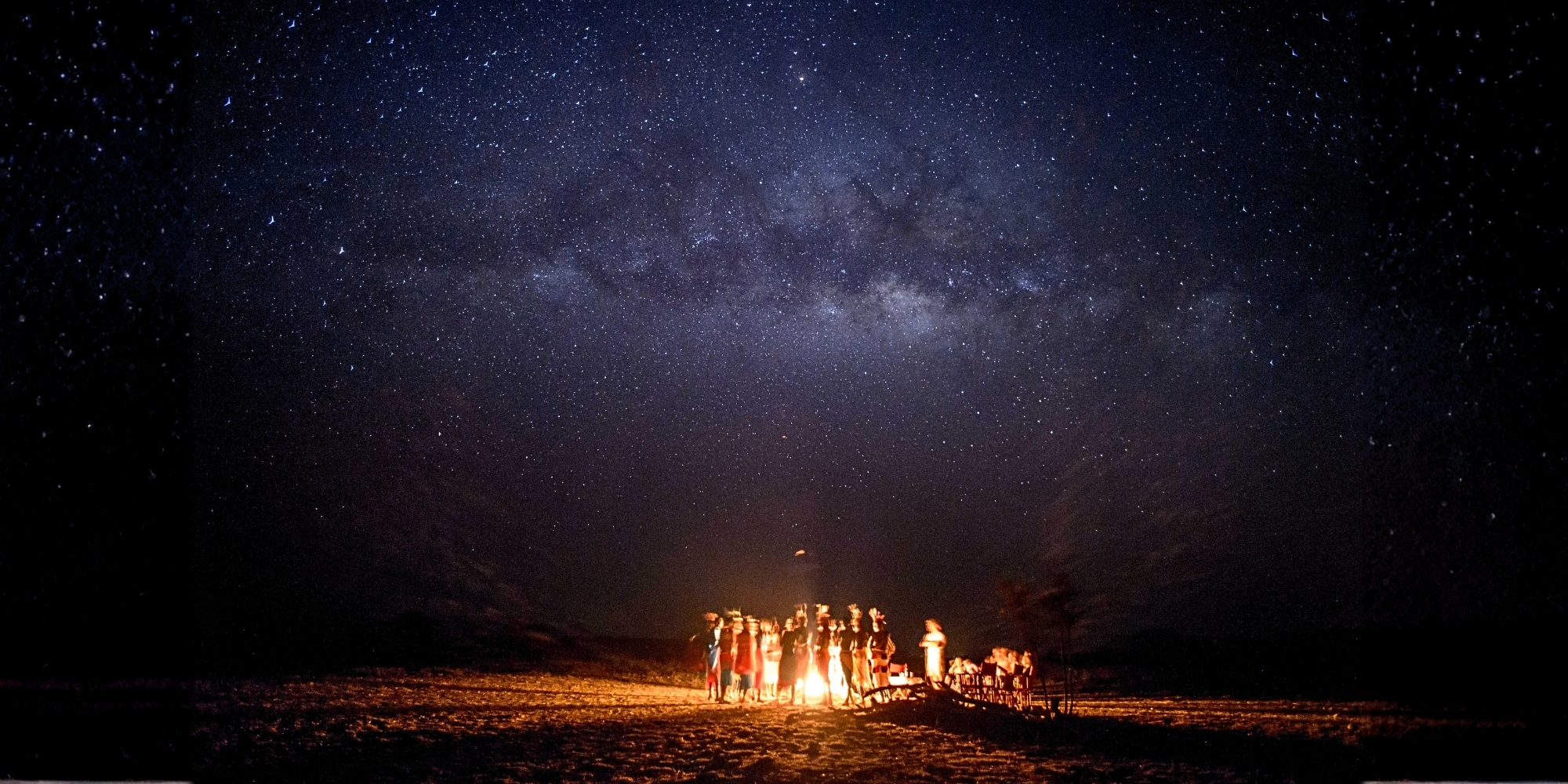
It's important to experience the different pace and time of Samburu, so we offer a range of activities, either a short drive away or that get you out of the vehicle, walking with nomads or quietly observing the lustrous detail of the wild world around you.
.jpg)
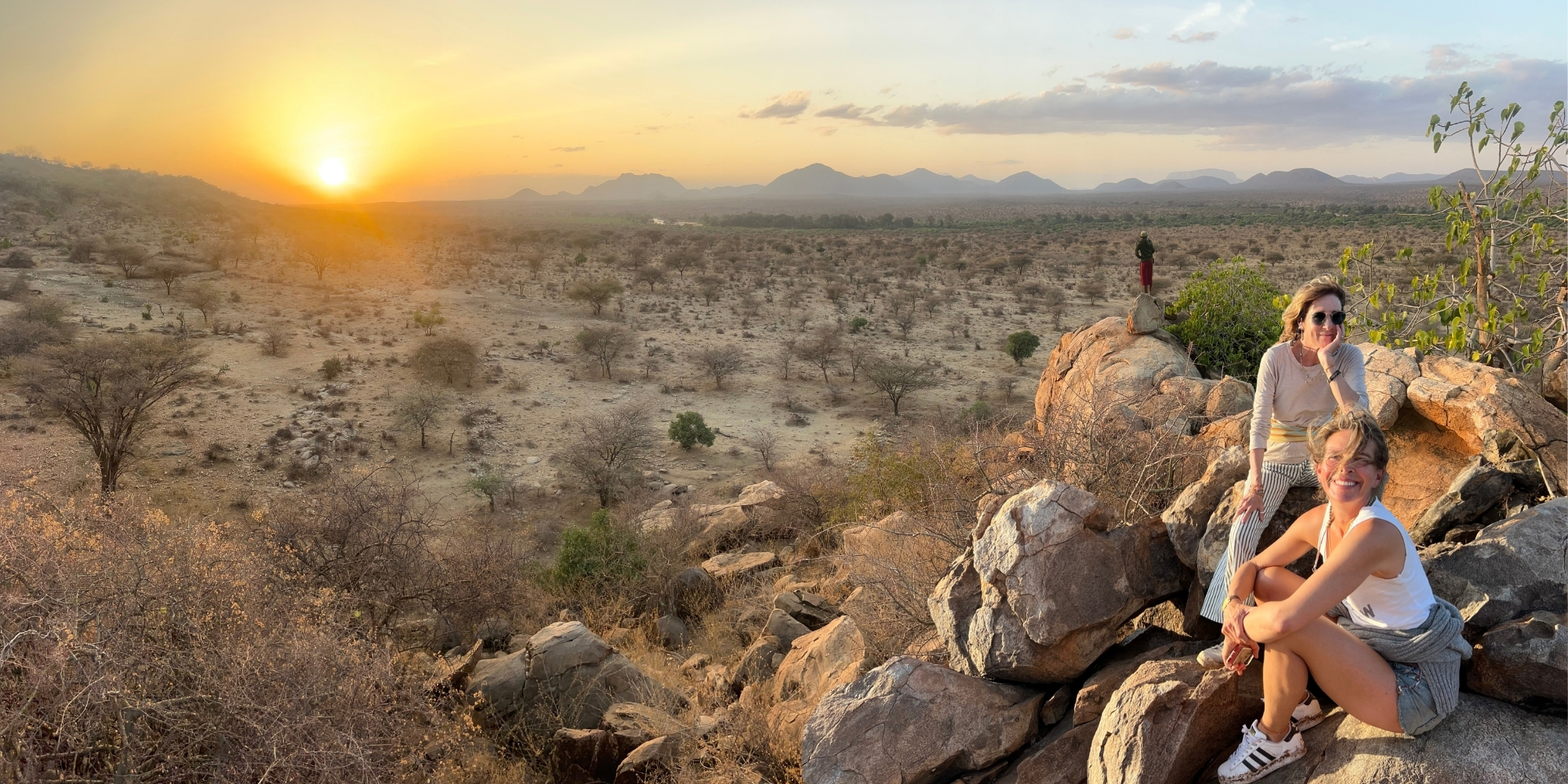
Stretching all the way from the equator to the Ethiopian border, the elephant rangelands are a mix of woodland, thorny scrub, and isolated sky islands of dry montane forest encircled by semi-desert.
Exploring this arid landscape open one's eyes to the delicate balance between human communities, whose 'singing' wells secure life at the very edge of existence, and the specially-adapted wildlife.
.jpg)
.jpg)
.jpg)
.jpg)
.jpg)


%201.webp)


.webp)


.webp)