Elephant Watching

When is the best time to meet elephants?

Rhythm of the rains

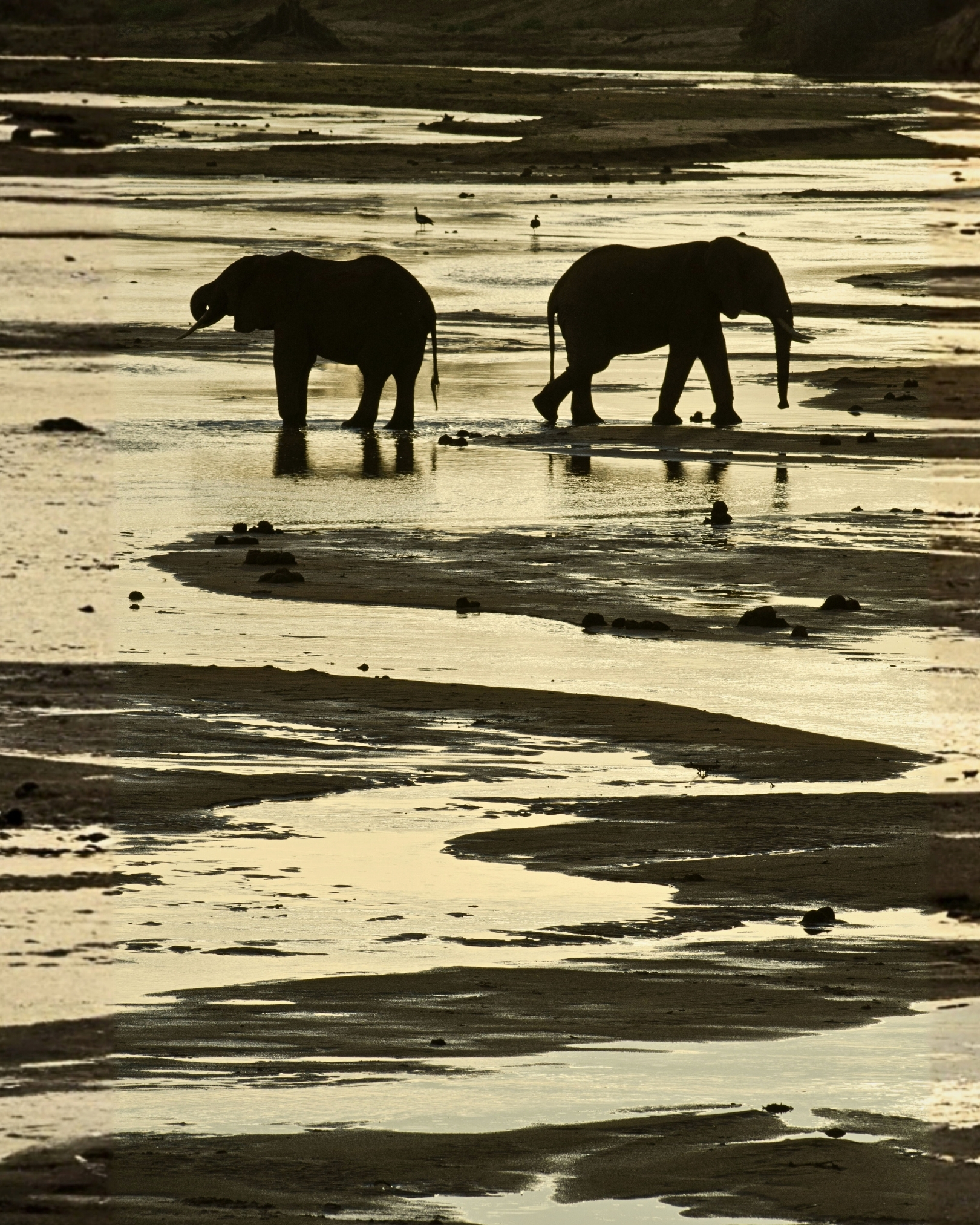
All life in north Kenya relies on the ebb and flow of seasonal rivers, that fold around the Monsoon rains. The humid Kusi in April heralds the first elephant season that kicks-off in May, while the 'short' Kaskazi rains in November prelude the second.

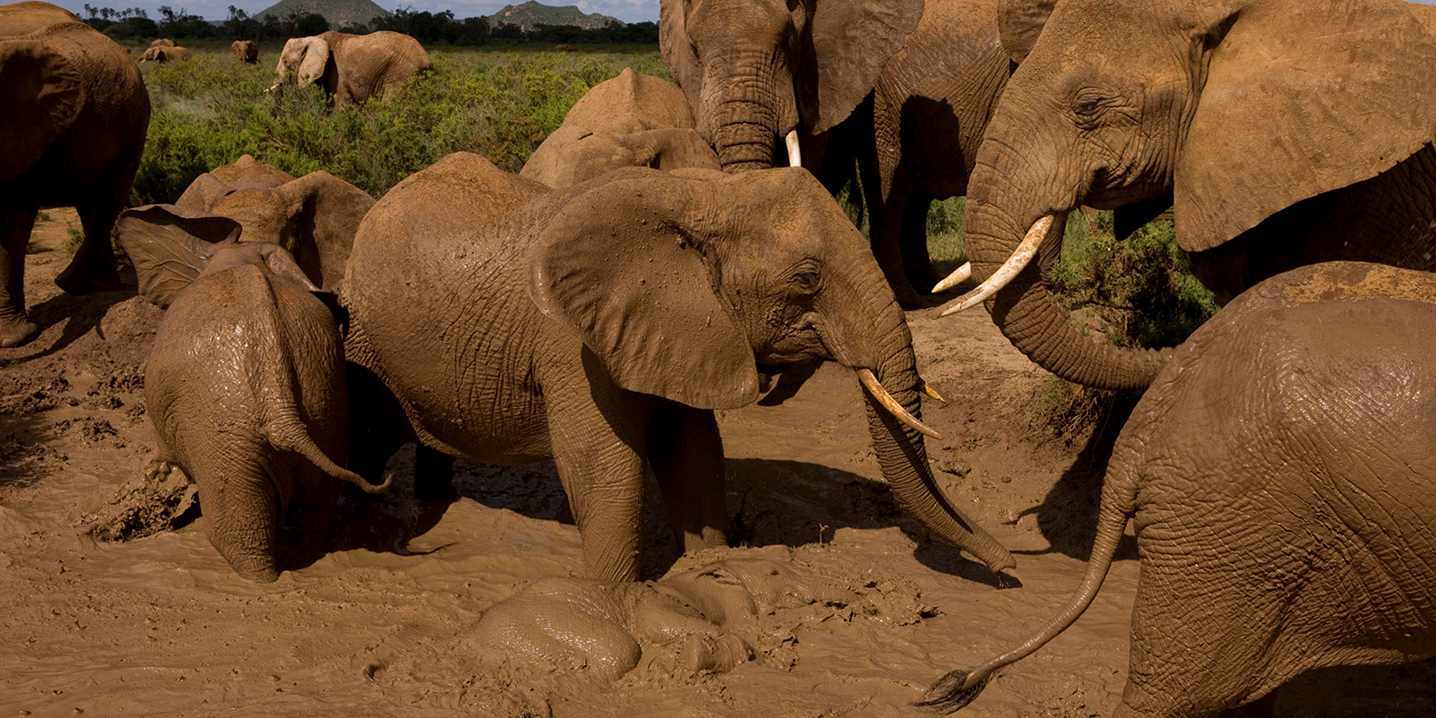
In the social season, with landscapes bursting with fresh, green foliage, elephants gather in their hundreds along the Ewaso Ngiro river (from May to July & Dec to mid Feb). You'll see calves fumble through first steps, gigantic musth bulls fight for the right to mate, and females lace the air with a dance of seductive pheromones.

As the land dries up, hunger sets in and predators rule the day. Elephant herds begin to drift apart again, relying on the wisdom of their Matriarchs to get them through the ache of drought, each longing for storms clouds to build again in the sky.

book a stay

How do you ID an elephant?

Tusks, ears and big attitudes

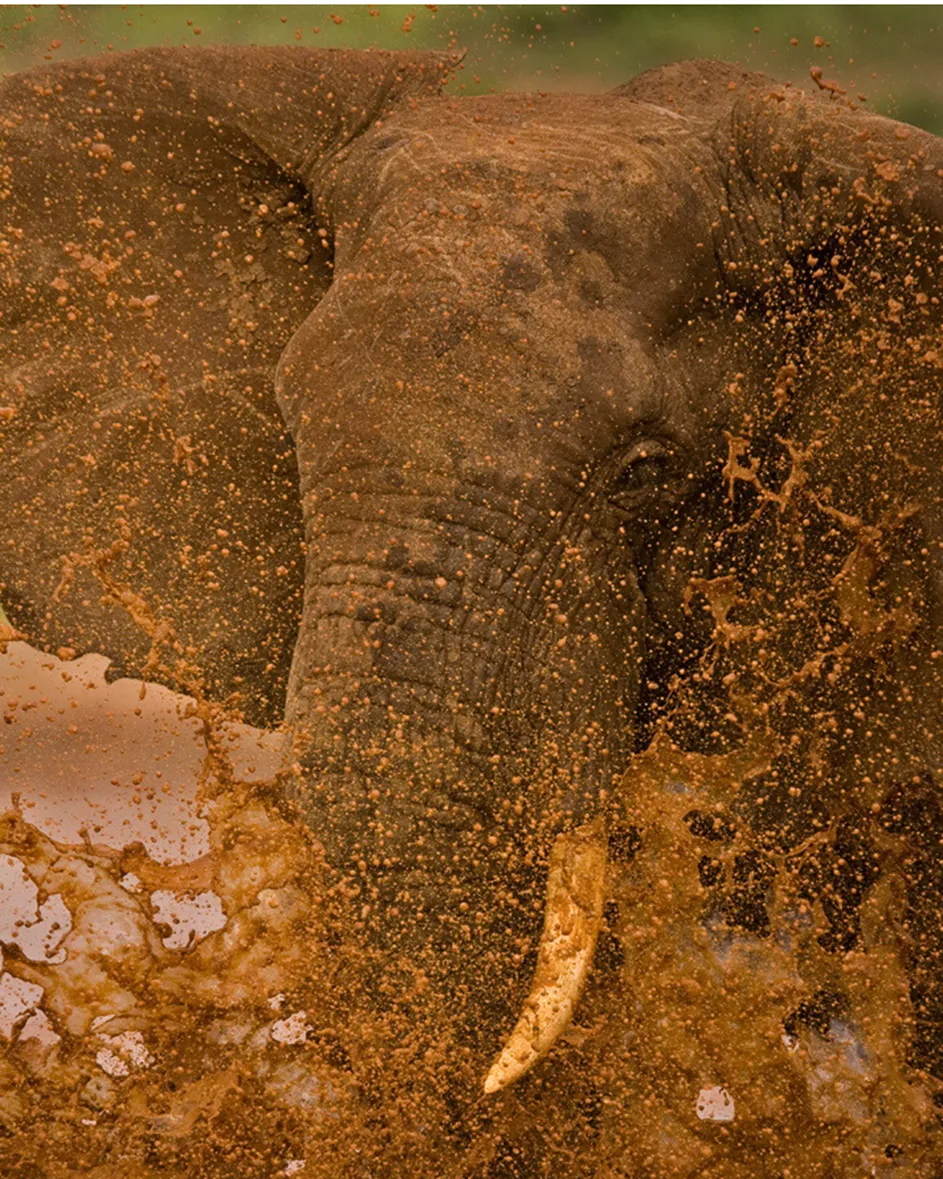
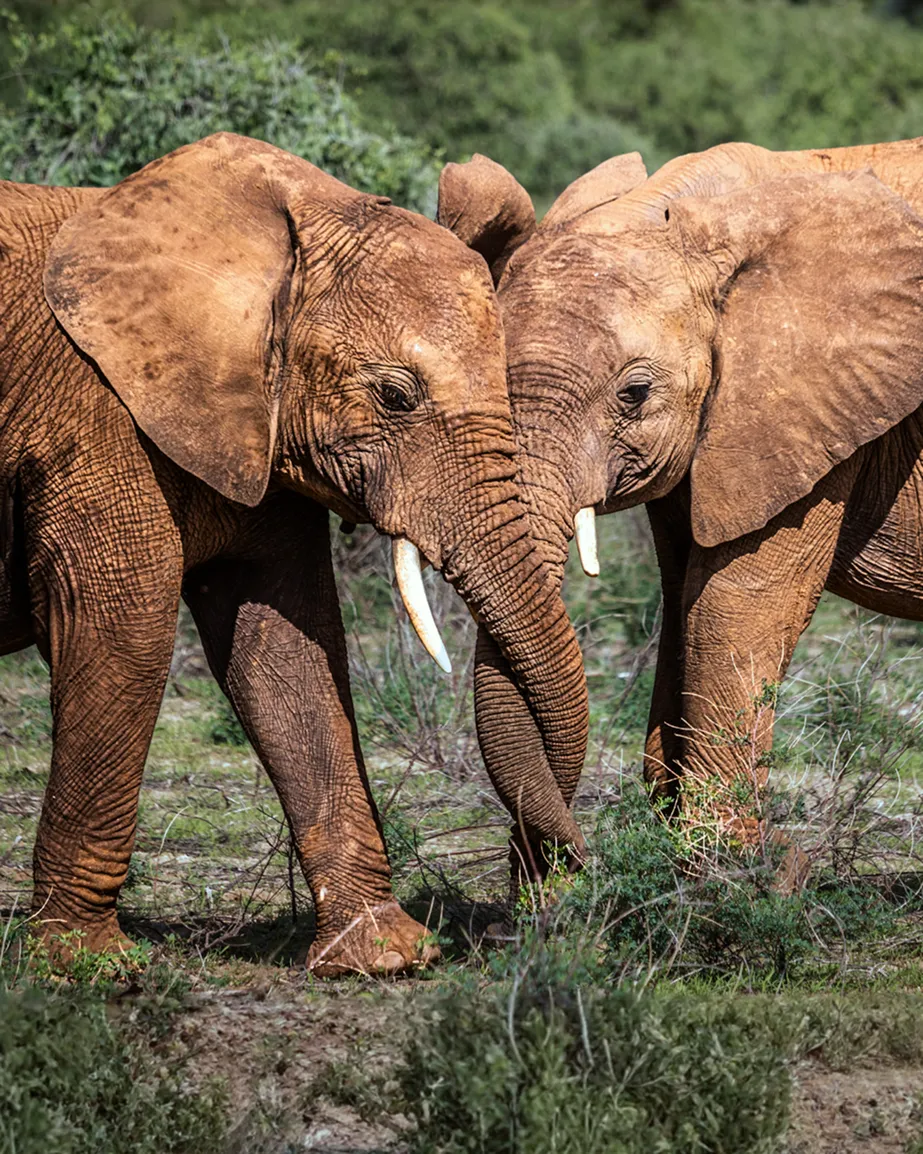
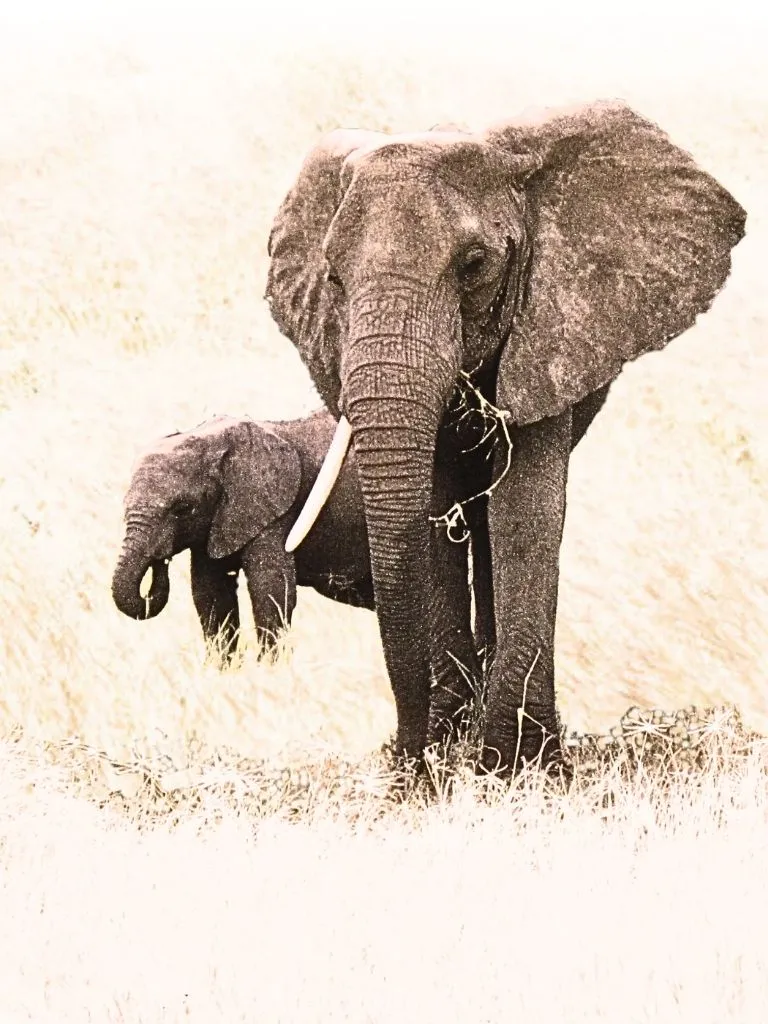
Learning the outline of an elephant's ears and the shape of its tusks is the best way to tell them apart as each pattern is unique, just like fingerprints. After a while, as your 'elephant ID eyes' click into focus, the way an individual holds itself becomes as easy to spot as a friend walking along a crowded street.

Certain elephants have became legends in their own right. Each shaped our journey or played a role in deepening our understanding of elephant intelligence and 'personhood'. Not just in Samburu, but across Kenya and Tanzania too. We salute their splendour and honour the resilience of their kind.

Meet ...

Inkosikazi

In the mid 1960s, Iain Douglas-Hamilton began his seminal study of elephant society in Lake Manyara National Park, Tanzania, where he met battalions of formidable females, like Inkosikazi, that charged on sight. Their hatred of mankind was tangible, inflamed by decades of trophy hunting.

But Iain broke all their rules, meeting hostility with calm and anger with humility. The elephants soon realised he wasn't a threat, opening their ranks. His observations of the elephants' natural state, and insights on their society and intelligence, transformed our understanding of elephants as emotional, sentient beings, much like us.

Page - 1/7

Meet ...

Henrik

After 20 years fighting to shut down ivory trade, Iain moved the STE team to Samburu national reserve to study the free-roaming elephants of North Kenya. With 1000+ individuals known by name, a growing team of local and international scientists have minutely documented their relationships, families, DNA, decisions, movements and life histories since 1997.

Henrik is a bull in his prime. In his late 40s, he's now one of the oldest surviving males in Samburu. Named after a Danish STE researcher that builds satellite tracking collars, Henrik appears sporadically, often battle-scarred from fights with other males - a perfect future vessel for a collar.

Page - 2/7

Meet ...

Anastasia

In Samburu, the elephants are named after 'genres'. There's a Storms family, some Artists, Spice Girls, Turks and even First Ladies. Anastasia is the matriarch of the Royals. When her matriarch-mother died, atypically, both she and her older sister, Cleopatra, became co-matriarchs.

With decisions wholly in-tune, the Royals are the largest, most dominant family in the reserves, known for their distinguishing "royal mark" - spots of pigment loss on their legs and trunks - that appear as pink patches after a thorough wash in the river. Sadly, Cleopatra died of natural causes in 2019, but Anastasia continues reigning wisely.

Page - 3/7

Meet ...

Anwar

There's nobody quite like Anwar! Unaware of the impact of his considerable bulk and strength, Anwar loves to come say hello to our team. He might rub his face on the car, sit on the hood, or take a good long sniff of the occupants. It's left us with a few cracked windscreens and holes in the canvas roof, but it's always unintentional.

These same overtures are not received so well in the local town, where he breaks open mud roofs to access stores of seed pods. It keeps our 'human elephant co-existence' team very busy, and he's collared for advance warning of his whereabouts.

Page - 4/7

Meet ...

Boadicea

A ferocious Manyara matriarch, Boadicea was famous for her terrifying displays of defiance, thundering out of the bushes, screaming at her enemy, and thrashing vegetation with ruthless savagery.

Named after the British Iceni Queen that rebelled against the Romans, Boadicea was one of Iain & Oria's favourite elephants. Despite her fierce posturing, the charges were always bluff. Acts of great courage, in fact, placing herself physically between her family and danger to give them time to escape. She was killed by poachers in the late 1970s, as ivory trade spiralled out of control.

Page - 5/7

Meet ...

Virgo

A junior member of Boadicea's family, Virgo was a gentle-hearted, curious teenager that caught Iain's eye from the start. She also took note of him, consistently on foot skirting the perimeter of her family. Their mutual curiousity led in time to an extraordinary cross-species friendship that lasted decades.

It was the first contact of its kind, a singular spark that entirely reshaped our understanding of elephants. In the award-winning film, A Life Among Elephants, the famous primatologist, Jane Goodall, fondly recalls her astonishment meeting Virgo with Iain, and the magic of their interactions.
Page - 6/7

Meet ...

Sarara

Sarara first came into our Camp with Chuck Yeager, a favourite habituated bull. Despite lower ranking, Sarara soon claimed the turf as his own, giving bluff but firm warnings if we overstepped his boundaries. He left and indelible mark.

Seedlings that slithered through his gut are now part of our forest. Bats skimmed his legs to feast on insect clouds he'd stirred during midnight snacks, mere inches from our beds. Or he'd lie down on a sandbank near us, snoring softly beneath the stars, dreaming elephant dreams. We lost Sarara and Yeager within two weeks of each other, killed by angry, armed men in mindless acts of violence after a long, painful drought.

Page - 7/7

What is elephant watching?

With 1000+ elephants known individually by name we can trace the bloodline of each calf born today back four generations and delight you with their stories.

The Goddesses, the Rivers, or the Winds, are some of the sixty-six families you might meet in Samburu, along with their impressive matriarchs, Athena, Euphrates, and Mistral.

Thanks to the long-term research of our conservation partner, Save The Elephants - that continuously trains our guides - you'll get to know each of Samburu's enigmatic elephants as a 'person', diving into its triumphs and tragedies, and learning how it negotiates the many challenges of life in this mercurial, unfolding frontier.

The intimacy of our encounters with these special free-roaming elephants - that have come to know and trust us over years of consistent, gentle interactions - is quite remarkable.

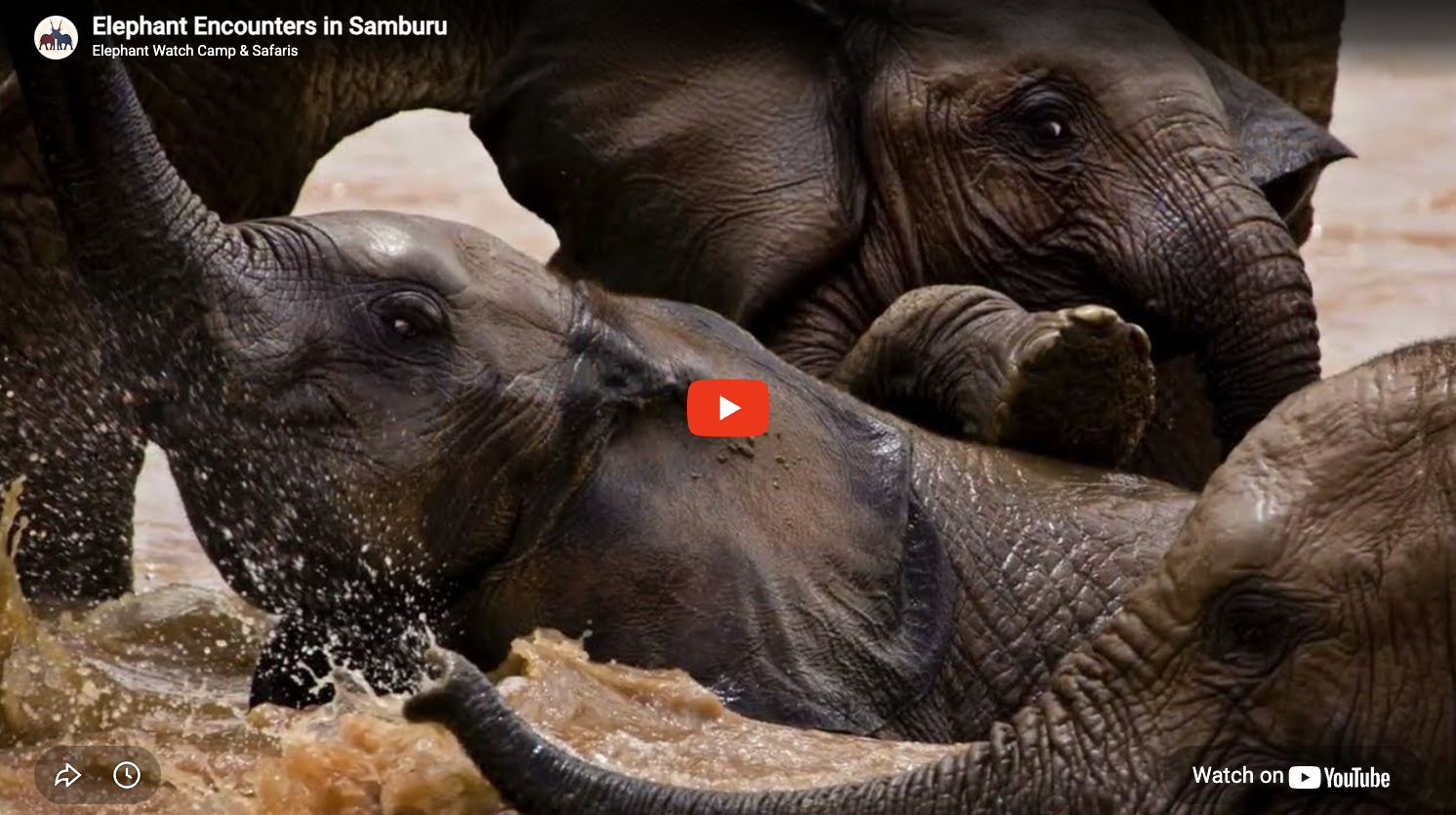
Welcoming us into the heart of their herds, we delight in the unadulterated pleasure of watching the secrets of their lives unfold in unhurried elephant-time, in a completely relaxed manner. The more we learn about this fascinating society, the clearer it becomes that 'family' is the single most important unit for their survival.
Marvellous Memories

An expansive memory is not just enviable - it's essential for elephant survival. Matriarchs are the primary repositories of knowledge, gleaning wisdom as calves or through hard-won experience that helps guide their family through times of drought or uncertainty. Remembering the location of distant waterholes, good pasture, safe migration routes through dangerous landscapes, and even the audial and olfactory imprint of other elephants, can be matters of life and death.

Charm & Charisma

No two elephants are the same as each individual has its own unique character and personality. Some are bold and curious, others are cautious and reserved, while a few can even be grudge-holding or taciturn. These traits shape how individuals interact within and between families, building longterm friendships, defining leadership roles and even founding dynasties.

Elephant Architects

Elephants are landscape engineers that define entire ecosystems. By feeding, digging, felling trees and trampling vegetation, they open up boulevards, clear impenetrable scrub, disperse seeds, plant forests, and create access to water for other species. The health of a landscape is closely tied to their presence or absence.

Beyond our preoccupation with pachyderms

What else can you spot in Samburu?

Home to many endangered species, with some uniquely adapted to Kenya's arid north – as well as a Special Five – each day in Samburu is strikingly different and spattered with adventure. From stellar moments for photographs or film, to sitting quietly absorbing the many exquisite symphonies of the wild, you can lose yourself entirely in the ambiance of the wild.

Elephants are keystone species at the centre of this complex web of life, so the way they interact with the impressive diversity of avian, reptilian, mammalian, amphibious, insectoid and fungal life in Samburu, is always fascinating.

You May Spot ...

Leopard

You May Spot ...

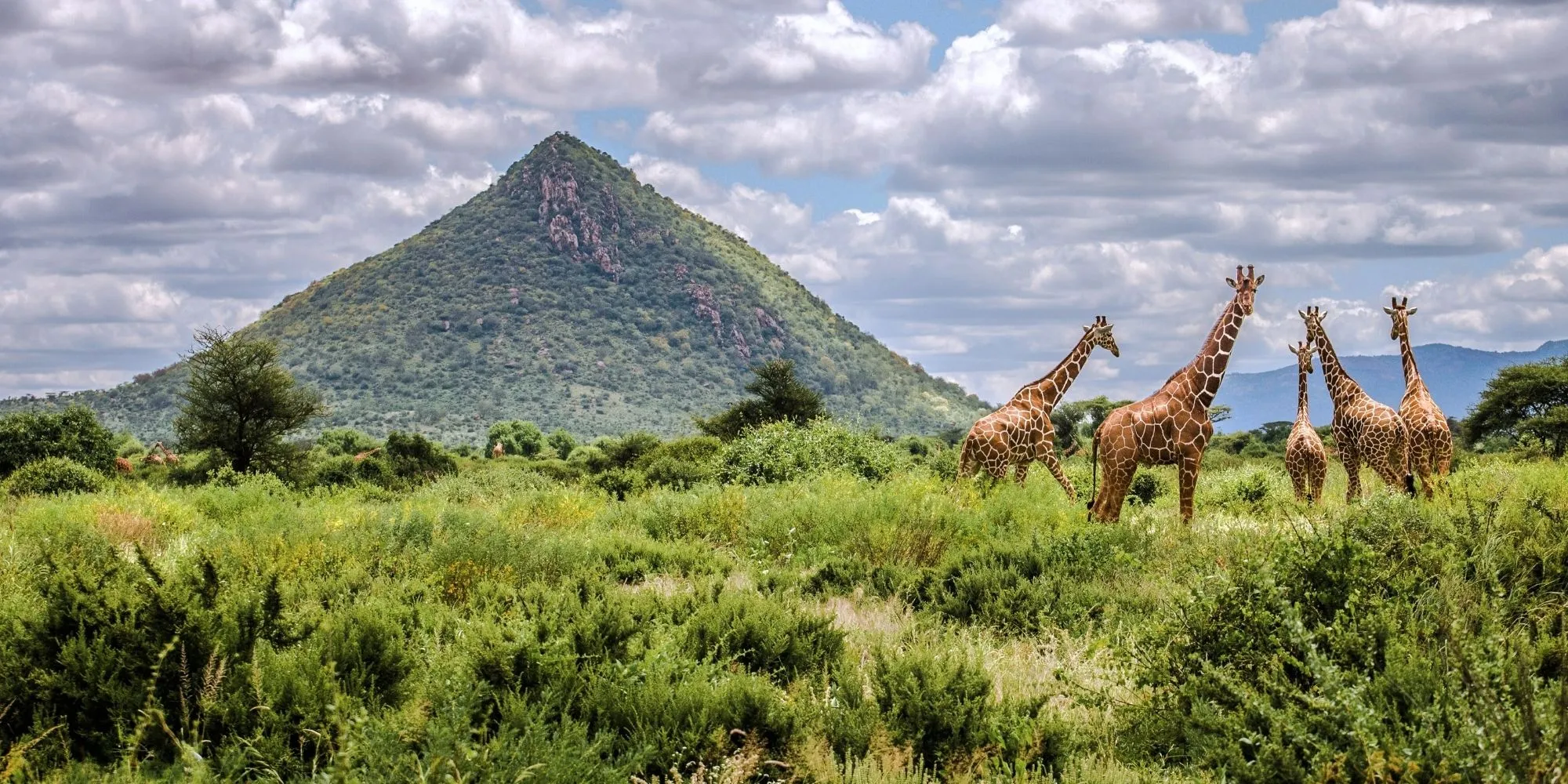
Reticulated Giraffe

You May Spot ...

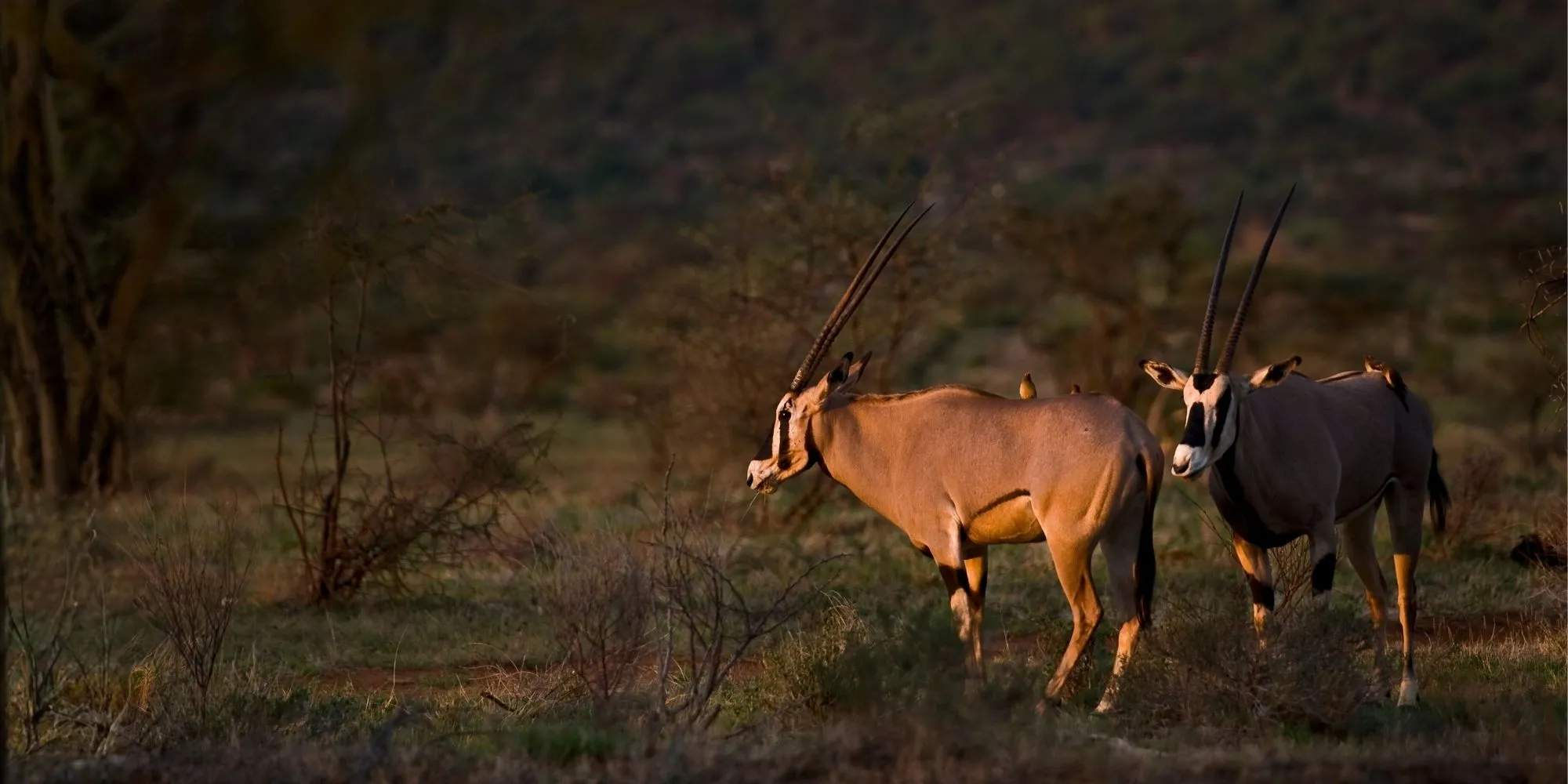
Beisa Oryx

You May Spot ...

Yellow-billed & Red-billed Hornbill

You may also see...

Endangered Grevy’s Zebra

You May Spot ...

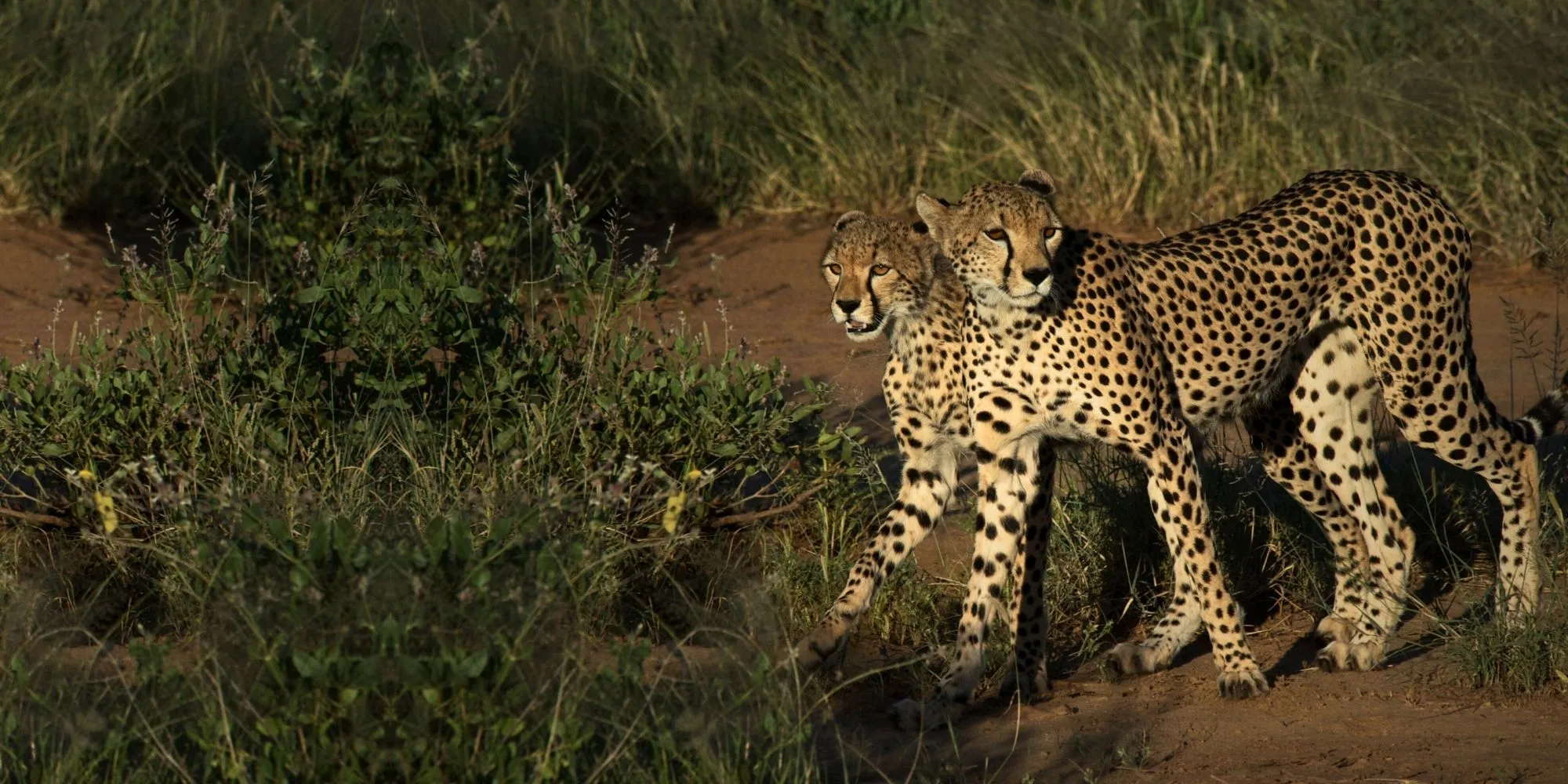
Cheetah

You May Spot ...

Somali ostrich

You My Spot ...

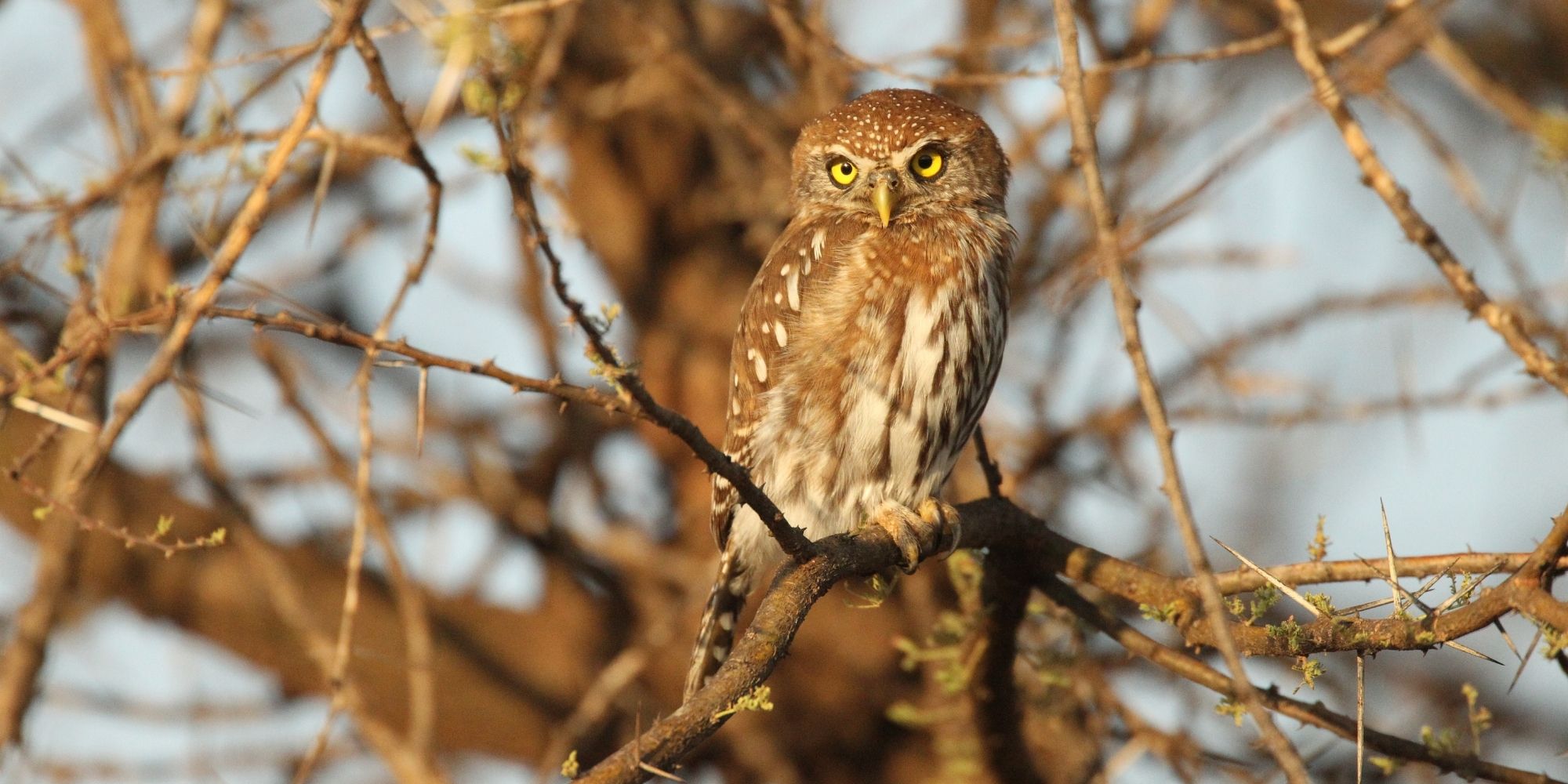
Scops Owl

You May Spot...

Lion

You May Spot ...

Dwarf Mogoose

You May Spot ...

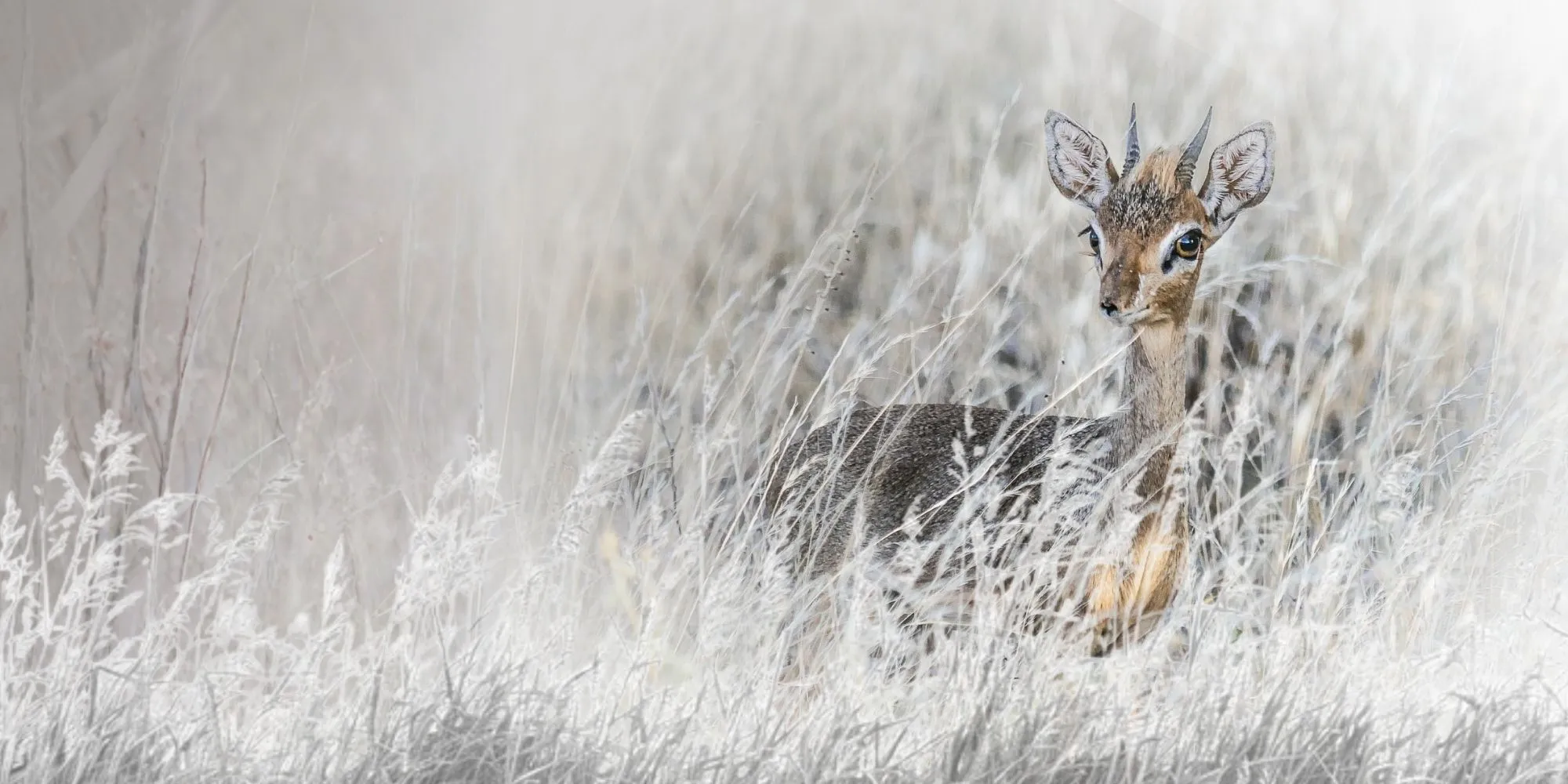
Dik-dik

You May Spot ...

Kudu

You May Spot ...

Secretary Bird

You May Spot ...

Bee Eater Bird

You May Spot ...

Vulturine Guineafowl

You May Spot ...

Caracal

You May Spot ...

Golden-breasted starling

You May Spot ...

Gerenuk

You May Spot ...

Hammerkop

You May Spot ...

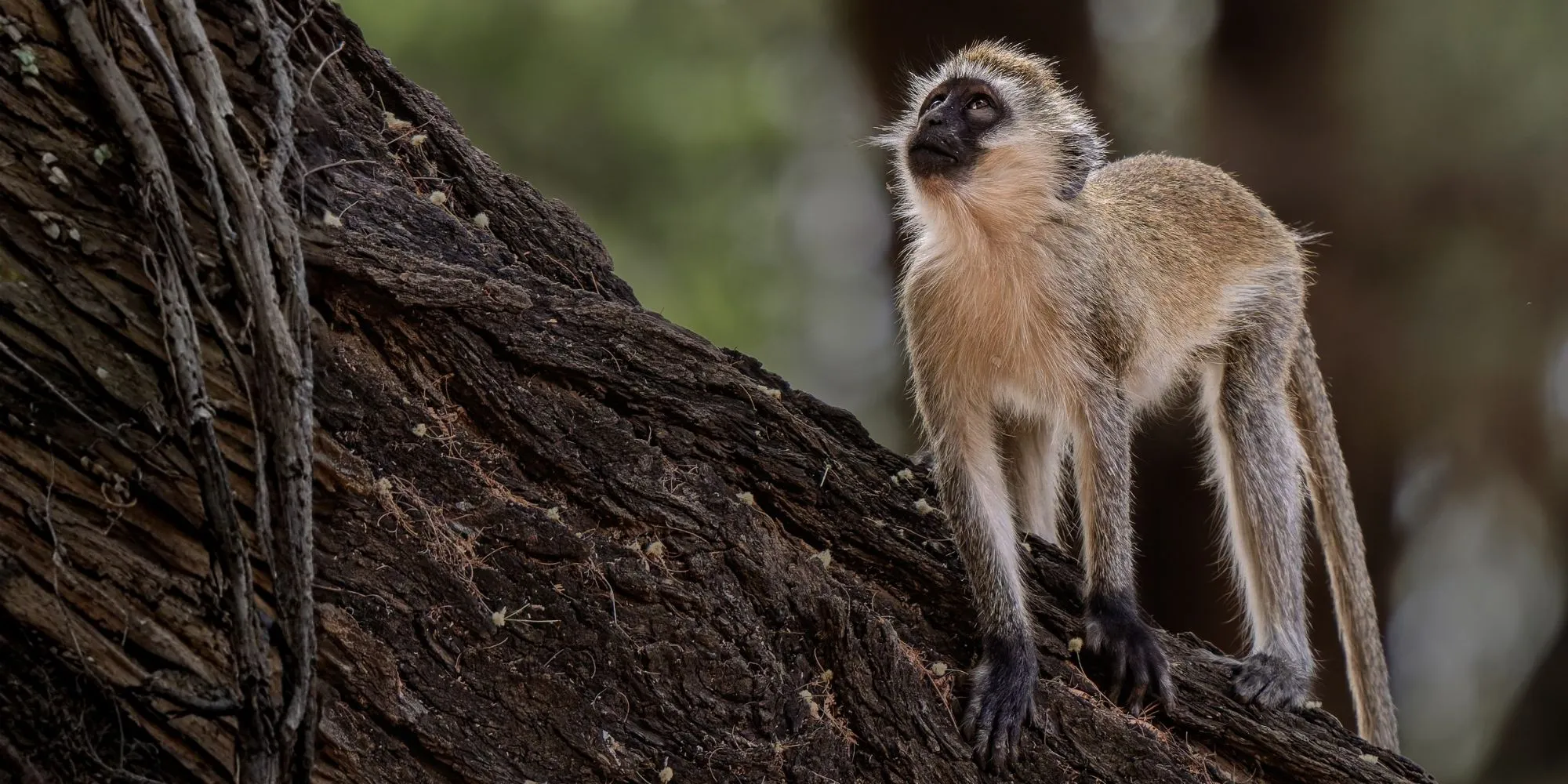
Vervet Monkey

BOOK A STAY

Instinct and insight

Expert Guides

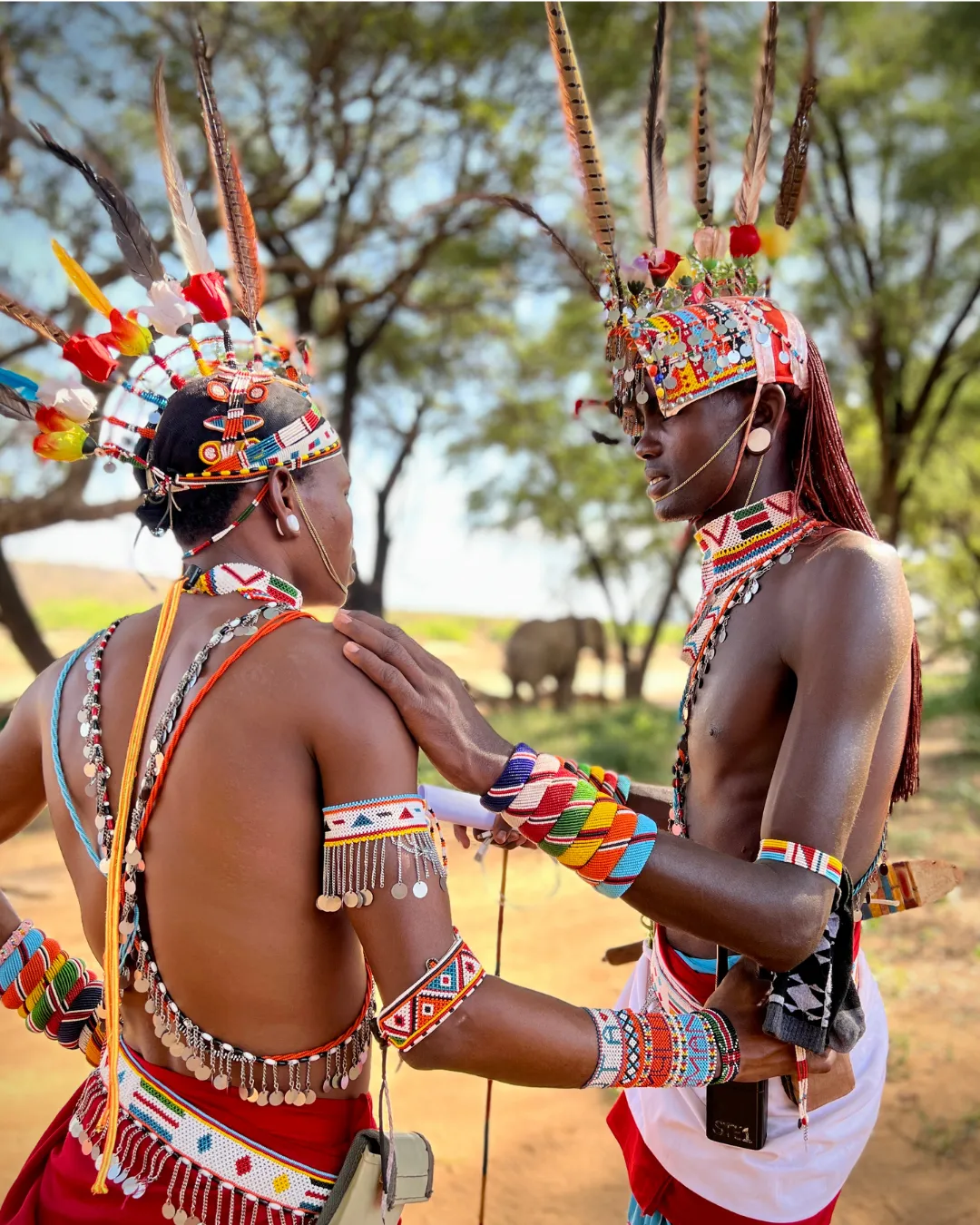
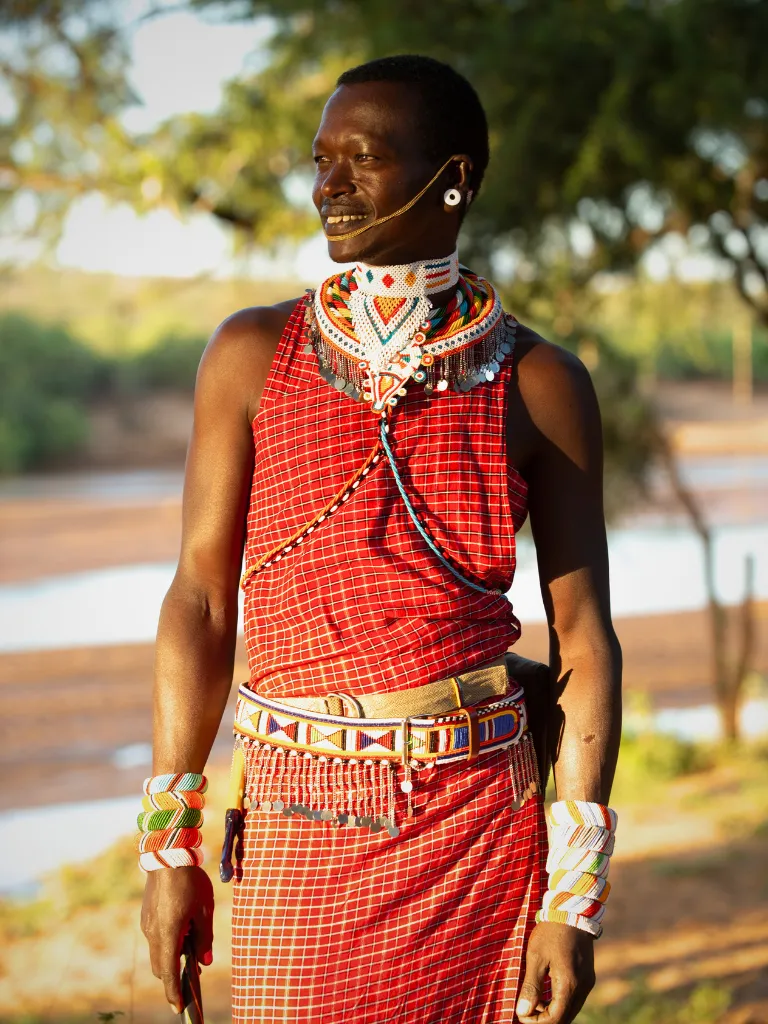
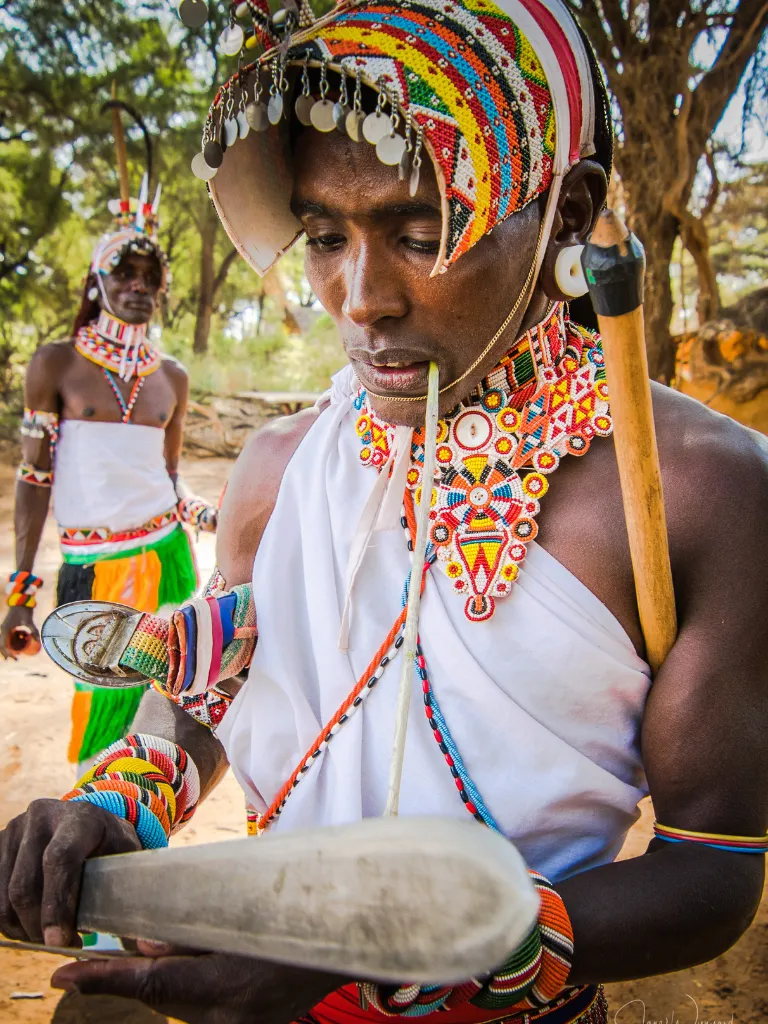
Pursuing the spoor like hounds on a scent, tuning in to the distanct calls of painted wolves, the singsong of harlequin quails, or sniffing out the alluring stench of a musth bull hidden in thick vegetation, our warrior-ambassadors are conduits to the sensory universe of Samburu's beckoning front,

Trained by Save The Elephants to engage with the gentlest etiquette, their astute understanding of wild species draws on chasmic reservoirs of traditional knowledge gleaned from lives immersed in nature.

We're deeply proud of our partnership as we believe passionately that conservation-led tourism is an important way to protect wildlife and landscapes. So the experience we offer is uniquely Samburu, leaving an indelible imprint on the heart.

Meet...

Serenoi Letoiye

With an extraordinary ability to recognise about 400 of Samburu’s resident elephants by sight, Serenoi brings their world vividly to life - from great matriarchs like Athena to mischievous young bulls like Anwar, known for scratching himself on our vehicles.

Time spent with Serenoi feels less like a safari and more like stepping into an unfolding family saga. His passion for elephants has even taken him as far as New York, where he ran a marathon in support of elephant conservation.

Page - 1/6

Meet ...

Litus Lekalaile

In 2005, while herding goats with his friend Lesachore, Litus survived a frightening encounter with a protective mother elephant. After bravely driving her off and running for help, a lifelong connection with Elephant Watch began.

Offered a scholarship soon after, Litus grew alongside the Camp and is now a bronze-certified guide and assistant manager. Today, he is an expert on Samburu’s elephants and a powerful example of resilience, courage, and the lasting impact of education.

Page 2/6

Meet ...

Lerogei Lekuuk

Lekuuk has an exceptional ear and eye for the wild. He can often identify bird species simply from their calls or the pattern of their flight long before they come into view.

Recently completing his pathology training, Lekuuk has also developed a fascination with snakes - transforming what was once a deep fear into curiosity. Now, when snakes appear in Camp, he is often the one calmly moving closer, helping the team understand which are dangerous while sharing fascinating insights about them. Trained by Save The Elephants in long-term monitoring, he is equally skilled at spotting elephants across the landscape.

Page 3/6

Meet ...

Kanyamo Lekalaile

Lekalaile comes from a lineage deeply connected to the rhythms of the land. His father was a respected shaman - a traditional seer and healer - and Simon appears to have inherited much of that quiet wisdom and instinctive understanding of the bush.

With an exceptional knowledge of medicinal plants, Lekalaile brings a deeper dimension to the safari experience. A gifted tracker and spotter, he has worked alongside our guides for over a decade, sharing insights rooted in generations of lived knowledge.

Page 4/6

Meet ...

Resti Lengunai

Playful, charming, and endlessly energetic, Resti brings a lightness to Camp that guests are naturally drawn to. Whether guiding, spotting wildlife, or behind the bar, his warmth and humour are never far away.

Though not one of the tallest morans in Camp, Resti is undoubtedly one of the most athletic. His high jumps have become something of legend - no one seems to spring through the air quite like him.

Page 5/6

Meet ...

Naiborke Lenanyankera Lpanari

Naiborke has an extraordinary eye for detail - noticing everything from tiny footprints to the movement of ants across the ground. His instinctive awareness of the landscape makes him a trusted companion on safaris, river walks, and hikes.

Around Camp, many also know him as Kiki, while his other name, Lenanyankera, translates to “eater of sheep” - a fitting title for someone who never goes anywhere without his knife close by, always hopeful the day might somehow lead to a proper meat feast. Funny, sharp, and full of character, he is always good company in the bush.

Page 6/6
BOOK A STAY
Learn More About ...